
Request a free quote Phone Icon
die cutting materials

Blog

What Is a Laser CNC Machine?

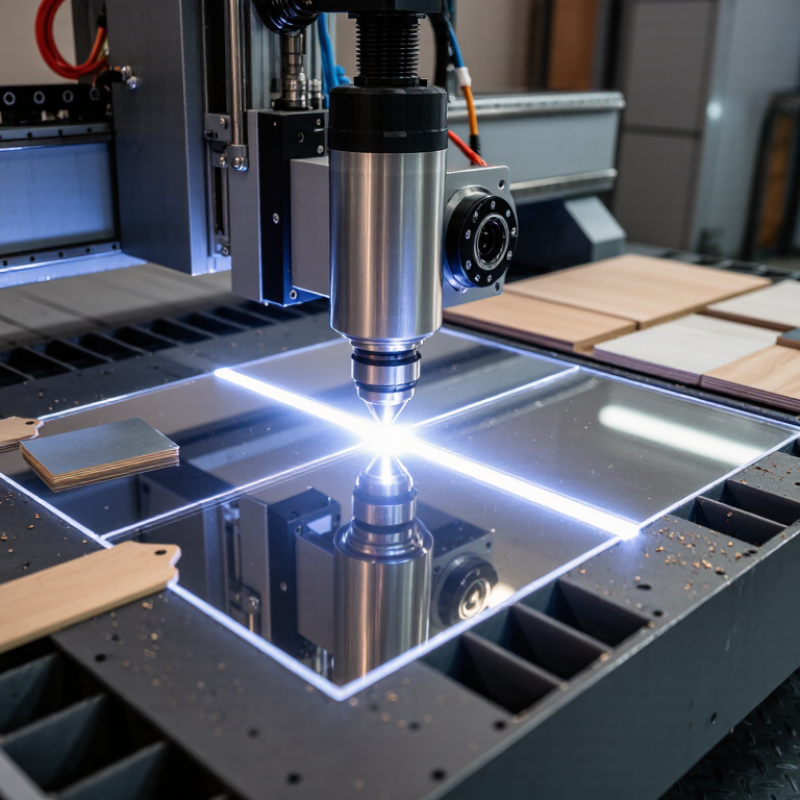
A laser CNC machine uses a computer-controlled beam to cut, engrave, or mark material along a programmed path. The beam focuses on a small area, heating it until the surface melts, vaporizes, or changes color. Meanwhile, motors move the cutting head or worktable with measured precision. The result can be a clean edge on a flat acrylic panel—or fine lettering on a wooden tag. Small details matter.

Laser-cutting author John Powell’s technical work offers a useful principle, paraphrased here: “Good results come from matching the beam, material, and process settings—not from power alone.” That distinction is practical. Material thickness, focus, speed, and assist gas can all affect the finished edge. A setting that works on thin plywood may scorch a thicker sheet. Even protective film or surface residue can change the result.

Understanding what a laser CNC machine is means looking beyond the machine’s advertised wattage. The controller follows a digital design, but the operator still needs to select suitable materials, test settings, and inspect the cut. A narrow kerf can preserve fine shapes; excessive heat may leave dark marks or rough edges. Not every result is perfect. A small test cut can reveal what the screen cannot.
What Is a Laser CNC Machine?

What a Laser CNC Machine Is and How It Differs from Other CNC Systems

A laser CNC machine uses computer-controlled motion to guide a focused beam across a workpiece. The beam heats and separates material; no rotating cutting bit touches it. Unlike a CNC router or mill, which removes material through physical cutting, a laser process concentrates energy along a programmed path. Routers suit many sheet goods and 3D shaping. Mills handle rigid stock and detailed pockets. Plasma cutters use an electrical arc, typically for conductive metals, while waterjets cut with high-pressure water and abrasive.

Grand View Research’s 2024 Laser Cutting Machine Market report estimated the global market at about USD 5.2 billion in 2023 and forecast 6.1% annual growth through 2030. Those figures describe market demand, not guaranteed shop-floor performance. In practice, laser cuts can produce narrow kerfs and intricate profiles, but results depend on material, thickness, focus, assist gas, and extraction. Reflective alloys may need particular care. Not every job benefits. The comparison is not perfectly tidy: hybrid equipment and mixed workflows blur the categories. Before choosing a system, compare cycle time, edge quality, scrap, and setup effort using sample parts from your own material.
Key Components of a Laser CNC Machine

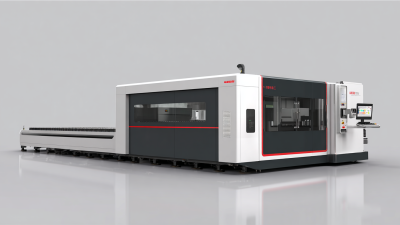
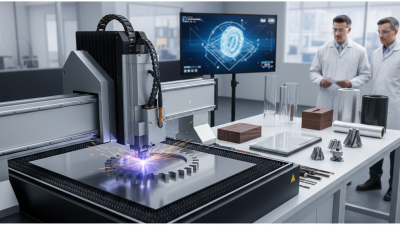
A laser CNC machine uses computer instructions to guide a focused beam across a material. Its controller translates a digital design into movement and laser settings. The frame supports the machine, while motors move the cutting head or worktable along precise axes. Small alignment errors can show up as uneven edges, so sturdy construction matters.

The laser source generates the beam, and lenses focus it onto a small area. Mirrors may direct the beam through the cutting head. The motion system controls speed and position; the work bed supports the material and may include a honeycomb surface for airflow. Air assist clears smoke and debris near the cut. An exhaust system removes fumes, though poor airflow can still leave residue or reduce visibility. The enclosure and interlocks help limit exposure to the beam. Each component affects the others, and setup details can be easy to overlook.

Tips: Keep the lens clean and check alignment with the machine’s approved procedure. Test settings on a scrap piece of the same material. A neat design does not guarantee a clean cut.

How Laser CNC Machining Works

What Is a Laser CNC Machine?
How Laser CNC Machining Works

A laser CNC machine turns a digital toolpath into controlled movement across a workpiece. CNC software converts the design into coordinates and commands. Motors guide the cutting head, while a focused laser heats a small area until material melts or vaporizes. Assist gas clears debris from the cut. The result depends on laser power, focus, feed rate, material, and thickness. A tiny focus error can leave a rough edge. That matters.

TWI’s published laser-cutting guidance describes typical kerf widths of roughly 0.1–1 mm, with actual results varying by material and settings. This narrow cut can support detailed profiles, but it does not guarantee a clean finish. Operators test settings on sample material, inspect the edge, and adjust the toolpath or speed. Even then, heat can discolor thin sheet or distort a delicate part.

Tips: Keep the lens clean, secure the sheet flat, and check focus before cutting. Record tested settings for each material and thickness. A short test cut can save a whole sheet.

What Is a Laser CNC Machine? - How Laser CNC Machining Works

Topic How It Works Typical Details Practical Considerations
Definition A laser CNC machine uses computer-controlled motion to guide a focused laser beam across or into a workpiece. Depending on the machine and settings, it can cut, engrave, mark, or selectively remove material. “CNC” refers to programmed control of machine movement; the laser supplies the energy for processing.
1. Create the design A part is drawn or prepared as vector paths, raster artwork, or a CAD/CAM file. Vector paths commonly define cuts; raster images commonly define engraved areas. Artwork may need scaling, path cleanup, and material-specific settings before machining.
2. Set up the job The operator selects the material, places it on the work bed, sets the focus, and loads the job. Workholding, focus position, bed level, and assist-gas setup can affect the result. Material composition and thickness should be confirmed before processing.
3. Generate the laser A laser source produces light, which is directed through optics and focused onto a small area of the material. Common source types include CO₂, fiber, and diode lasers; wavelength and output vary by machine. Different materials absorb different wavelengths, so one laser type is not suitable for every material.
4. Move and control The CNC controller coordinates the laser output with movement of the cutting head or workpiece. Motion systems commonly use gantry-style axes or other computer-controlled positioning systems. Path accuracy, acceleration, and machine condition influence dimensional accuracy and edge quality.
5. Process the material Focused energy heats, melts, vaporizes, or otherwise removes material along the programmed path. For cutting, assist gas may help clear molten material and protect the cut zone. Power, speed, focus, pulse settings, and gas choice must be matched to the material and thickness.
Laser source types Each source has different wavelength characteristics and typical applications. CO₂ lasers are widely used for many nonmetallic materials; fiber lasers are commonly used for metals; diode lasers are often used for engraving and lighter-duty applications. These are general tendencies, not universal rules. Coatings, surface finish, and machine configuration matter.
Common operations The programmed path and energy settings determine the operation. Cutting separates material; engraving removes a shallow layer; marking changes the surface appearance or properties. Results depend on the workpiece, laser source, optics, and process settings.
Key process settings The operator adjusts settings to balance processing speed, quality, and material response. Common settings include laser power, travel speed, focus position, number of passes, frequency or pulse parameters, and assist-gas flow. There is no single setting that works for all machines and materials; test cuts or samples are often used.
Suitable materials Material compatibility depends on the laser wavelength, machine design, and processing method. Materials commonly processed on appropriate systems include wood, paper, acrylic, textiles, and certain metals. Some plastics can release hazardous fumes or produce poor results. Verify material safety and machine guidance before processing.
Typical strengths Laser processing is non-contact, so the beam does not mechanically press a cutting tool against the workpiece. It can produce detailed features, repeatable programmed paths, and narrow cuts on compatible materials. Workholding, thermal effects, edge finish, and achievable tolerances still depend on the machine and job.
Safety essentials Laser systems can expose users to hazardous radiation, fumes, fire, and electrical or mechanical risks. Appropriate enclosure, interlocks, extraction, fire controls, and wavelength-rated protective measures may be required. Follow the machine manual, applicable safety rules, and material-specific ventilation guidance. Never process an unidentified material.
General overview only. Actual capabilities and process settings vary by machine, laser source, optics, material, and job requirements.

Common Types of Laser CNC Machines and Their Materials

A laser CNC machine uses computer-controlled motion to guide a focused beam across a workpiece. The beam cuts, engraves, or marks material without a cutting edge touching it. The machine type matters because each laser wavelength interacts differently with different surfaces.

CO2 laser CNC machines commonly process wood, paper, leather, fabric, and many acrylic sheets. They can leave crisp lettering on a wooden panel, though smoke may darken nearby edges. Fiber laser machines are often used for metal marking and, with suitable power, metal cutting. Diode lasers can engrave wood and some coated surfaces, but often struggle with clear acrylic and reflective metals. Not every material behaves as expected.

A material sample is worth testing before production. Check the manufacturer’s material guidance, then inspect the cut for melting, discoloration, or rough edges. Coatings and adhesives can change how a surface reacts, so unknown materials should not go straight into the machine. Use effective ventilation and keep the work area clear. A clean-looking engraving does not always mean the settings are ideal.

What Is a Laser CNC Machine? Common Types and Materials

A laser CNC machine uses computer-controlled laser energy to cut, engrave, or mark materials. This chart compares the typical laser wavelengths used by common machine types.

Typical materials: CO₂ lasers are commonly used for wood, acrylic, paper, and textiles. Fiber and Nd:YAG lasers are widely used for metals, including steel and aluminum. UV lasers are suited to fine marking on plastics, glass, and other heat-sensitive materials. Results depend on the material and machine configuration.

Uses, Benefits, and Limitations of Laser CNC Machines

What Is a Laser CNC Machine?
Uses, Benefits, and Limitations of Laser CNC Machines

A laser CNC machine follows computer-controlled paths to cut or engrave material with a focused beam. It is commonly used for signs, thin panels, packaging prototypes, and detailed decorative parts. The machine can repeat intricate shapes with little manual handling. That matters when a design includes small letters or repeated holes.

Results depend on the material, its thickness, and the laser settings. Wood, acrylic, paper, and some fabrics may be suitable, but not every material is safe to process. Check the material’s composition and follow the machine’s operating guidance. Ventilation matters. Smoke and fumes can affect both air quality and the finished surface.

Laser cutting can reduce tool wear because the beam does not press against the workpiece. It can also make narrow cuts and detailed engraving. Still, the cut has a kerf: a small amount of material is removed, so dimensions may need adjustment. Edges can darken, melt, or become uneven when settings are poorly matched. A quick test on scrap material helps, though it does not guarantee identical results across every sheet. Even a precise machine needs careful setup.