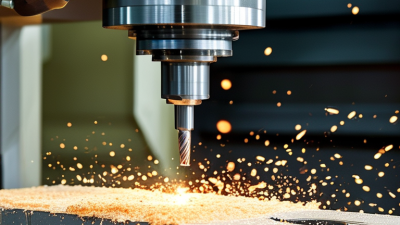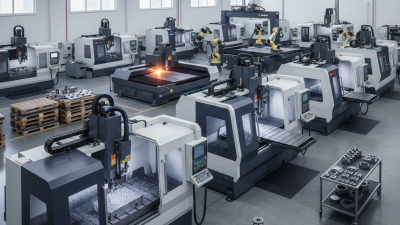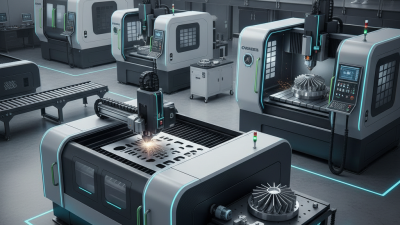

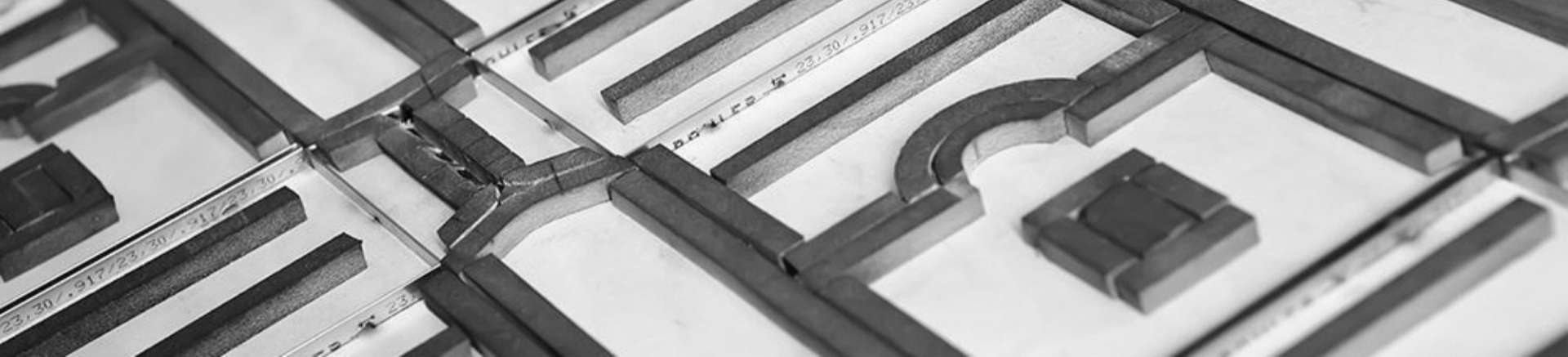
A laser and cnc machine are both computer-controlled tools for shaping materials with remarkable accuracy. Yet they do not work in the same way. A laser focuses intense light onto a surface, creating heat that cuts, engraves, or marks selected materials. A CNC machine uses rotating cutters, drills, or other tools to remove material through physical contact. The difference becomes clear when watching the process: a laser may leave a narrow darkened edge, while a CNC router produces chips and visible tool paths.
These machines appear in workshops, factories, schools, and small businesses. Laser systems commonly process wood, acrylic, paper, fabric, and some metals. CNC equipment can carve wood, plastics, aluminum, and composite boards, depending on its design and tooling. Material thickness, ventilation, speed, power, spindle condition, and software settings all affect the final result. Small changes matter. A few millimeters can ruin a fitted part.
Choosing between them requires more than comparing advertised wattage or machine size. The right decision depends on the material, required finish, production volume, and acceptable waste. Safety also deserves careful attention, including eye protection, guarding, fire prevention, dust control, and proper ventilation. No machine is automatically safe. Even experienced operators can overlook heat buildup or incorrect cutting parameters.
This guide explains how each technology works, where it performs well, and where it struggles. Some distinctions may seem simplified, because real machines overlap in capability. That uncertainty is worth acknowledging. Practical testing, manufacturer specifications, and responsible operation remain essential for dependable results.
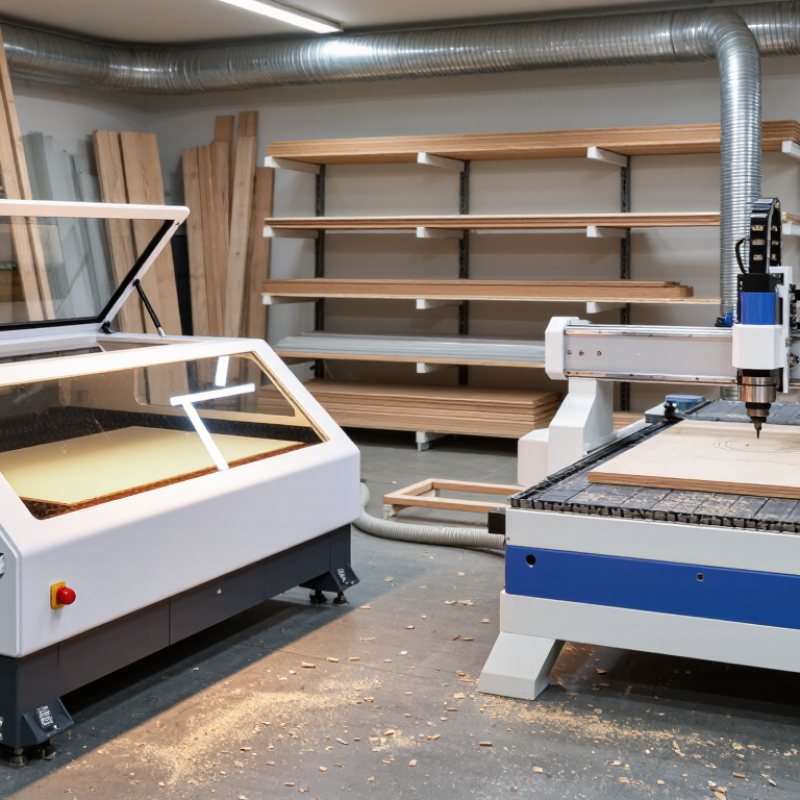
A laser machine uses a focused beam of light to cut, mark, or engrave material. The beam creates heat in a very small area. Depending on its power and settings, it can work on wood, acrylic, fabric, or thin metal. A CNC machine uses computer-controlled movement to guide a cutting tool. Its tool may drill, carve, mill, or shape solid material. In workshop practice, a laser often removes material without physical contact. A CNC cutter applies pressure and produces chips, dust, or rougher edges. The difference is practical, but not perfectly tidy.
Both machines depend on accurate digital designs and carefully tested settings. Operators must choose speed, power, cutting depth, and tool movement for each material. A small error can leave scorch marks, melted edges, or an incomplete cut. CNC work also requires secure clamping because loose material can shift suddenly. A laser needs proper ventilation, since some materials release dangerous fumes. Measuring the finished piece matters more than trusting the screen. That lesson is easy to miss.
Tips: Test on scrap material first. Keep a written settings log. Check focus before cutting. Use suitable eye protection and ventilation. Never leave an active machine unattended. Some materials behave unpredictably, so a second test is wise. Clear instructions reduce mistakes, although they cannot replace trained judgment.
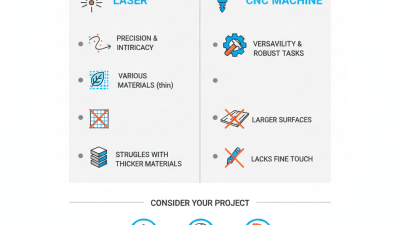
| Comparison Dimension | Laser Machine | CNC Machine |
|---|---|---|
| Basic Definition | A computer-controlled machine that uses a focused laser beam to cut, engrave, mark, or vaporize material. | A computer-controlled machine that removes material with rotating cutting tools guided along programmed axes. |
| Material Removal Method | Thermal processing: the beam melts, burns, or vaporizes a narrow path through the workpiece. | Mechanical cutting: a tool physically shears or abrades material away from the workpiece. |
| Typical Operations | Cutting, surface engraving, marking, scoring, perforating, and limited relief work. | Milling, drilling, pocketing, contouring, chamfering, carving, and three-dimensional shaping. |
| Common Materials | Wood, paper, cardboard, acrylic, leather, fabric, and selected coated or non-reflective metals, depending on laser type and power. | Wood, plastics, foams, composites, aluminum, brass, steel, and other machinable materials, using suitable tooling. |
| Contact with Workpiece | Non-contact process; the beam does not physically touch the material. | Contact process; the cutting tool engages the material and generates cutting forces. |
| Dimensional Capability | Well suited to precise two-dimensional profiles and fine surface details; results depend on optics, focus, power, and material. | Well suited to accurate two-dimensional and three-dimensional parts; results depend on machine rigidity, tooling, workholding, and calibration. |
| Cutting Width | Produces a narrow kerf, often useful for detailed patterns and closely spaced features. | The cut width is determined primarily by the diameter and geometry of the cutting tool. |
| Surface Finish | Edges may show heat discoloration, melting, or a small heat-affected zone, especially in plastics and wood. | Can produce a machined finish, but tool marks, burrs, or roughness may occur and may require finishing. |
| Three-Dimensional Work | Primarily optimized for flat-sheet work and surface engraving; advanced systems can perform limited three-dimensional processing. | Naturally suited to 3D contours, pockets, molds, sculpted surfaces, and complex solid parts. |
| Tool Wear | No cutting-tool contact wear, although lenses, mirrors, nozzles, and filters require inspection and cleaning. | Cutting tools gradually wear, requiring replacement, sharpening, or adjustment to maintain quality. |
| Workholding | Often requires simple support, a honeycomb bed, or light fixturing because there is no cutting force. | Usually requires clamps, a vise, vacuum holding, or another rigid fixture to resist cutting forces. |
| Programming and Design Input | Commonly uses vector drawings for cutting and raster or vector paths for engraving. | Commonly uses CAD geometry and CAM toolpaths that define cutting tools, speeds, feeds, and machining sequences. |
| Production Strength | Efficient for repeated flat parts, intricate patterns, signs, panels, and detailed engraving. | Efficient for functional parts, mechanical components, prototypes, fixtures, and solid workpieces. |
| Primary Limitations | Limited by material compatibility, thickness, reflection, heat effects, smoke, fumes, and line-of-sight processing. | Limited by tool access, cutting forces, tool geometry, workholding, vibration, and the need for chip removal. |
| Best Choice When | The project prioritizes fast sheet cutting, intricate outlines, contact-free engraving, or minimal mechanical setup. | The project requires material removal from solid stock, precise holes and pockets, strong parts, or detailed 3D geometry. |
Note: Actual performance varies with machine configuration, material type and thickness, cutting tool or laser source, operating parameters, workholding, and maintenance.
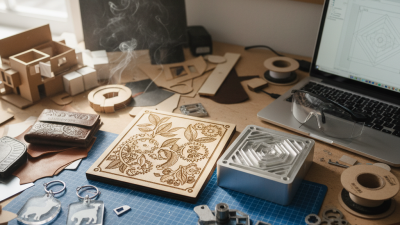
What Is a Laser and CNC Machine?
How Laser Systems Produce and Control Focused Light
A laser system turns electrical energy into an organized beam of light. Inside its source, excited atoms release matching photons. Mirrors and a gain medium reinforce the light, while an output coupler lets a controlled beam leave. Lenses then reduce the beam diameter and focus it onto a small point. At that point, energy density becomes high enough to cut, mark, or remove material. The beam is not naturally perfect. Dust, lens damage, and thermal drift can widen the spot.
A CNC machine adds movement and repeatability. Software converts a drawing into toolpaths, and motors guide the laser head across programmed coordinates. Power, speed, pulse frequency, and focus height must work together. A slower motion may deepen a cut, but excessive heat can discolor edges or warp thin sheets. In practical testing, a simple test grid often reveals settings better than assumptions. Not always. The best setting changes with material thickness, surface finish, and airflow. Operators should verify focus, secure the workpiece, and use suitable guarding and extraction.
Tips: Clean optics with approved methods, never touch a lens with bare fingers, and inspect the focus point before production. Keep a dated settings log. It saves time, though it will not replace judgment. Test on scrap material, and stop when smoke, flame, or an unusual sound appears.
A laser CNC machine turns a digital drawing into controlled physical movement. The process begins with a CAD file containing lines, curves, holes, and dimensions. CAM software converts that geometry into toolpaths and machine instructions. These instructions often use G-code, which tells each axis where to move and how fast.
The controller reads the code one block at a time. Servo motors move the X, Y, and sometimes Z axes. Encoders report the actual position back to the controller. This feedback helps correct small errors during cutting. Linear interpolation creates a smooth diagonal path instead of separate steps. The laser then follows that path, while power and pulse settings control the cut.
The International Federation of Robotics reported 541,302 industrial robots installed worldwide in 2023. That figure shows how widely programmed motion has entered modern production. A 2024 manufacturing skills-gap report also estimated that millions of positions may remain difficult to fill by 2033. CNC systems can reduce repetitive workload, but they still need trained operators.
Not magic.
In practical work, a wrong coordinate can shift an entire pattern. Heat can warp thin sheet material, and a dirty lens can weaken the beam. Digital precision does not guarantee physical perfection. Operators must check focus, material thickness, zero points, and the first test cut. That final inspection is easy to skip, which is exactly why it matters.
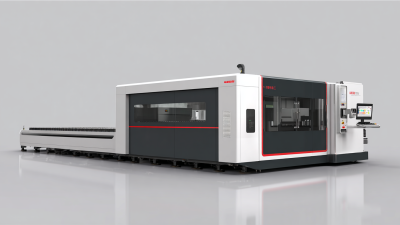
A laser machine creates heat with a concentrated beam. Its core components include a power source, beam path, focusing lens, nozzle, worktable, and exhaust system. Mirrors guide the beam toward the cutting head. The focusing lens narrows it onto the material surface. The nozzle directs assist gas and removes molten debris. A controller converts digital drawings into movement and power commands. Operators adjust speed, power, focus, and gas pressure for each material. Alignment matters. A small error can produce wide cuts, dark edges, or incomplete penetration.
A CNC machine removes material through a rotating tool. Its main components include a frame, spindle, cutting tool, linear guides, drive motors, workholding system, and controller. CAD software defines the shape, while CAM software creates toolpaths and cutting instructions. The machine then positions the tool along programmed axes. Feed rate, cutting depth, spindle speed, and tool geometry influence the result. Secure workholding is essential. Vibration can leave visible marks.
The two machines follow different physical processes. Lasers melt or vaporize selected areas, while CNC tools cut through contact. Laser work often requires careful ventilation and protective enclosures. CNC work demands chip control, tool inspection, and accurate zero setting. In practical production, test cuts or trial passes reveal problems before full operation. A perfect result is not guaranteed. Material thickness, moisture, heat, and worn tools can change the outcome. Even experienced operators sometimes overlook small calibration errors.
A laser machine uses focused light to cut, mark, or engrave materials with high precision. A CNC machine follows programmed movements to cut wood, plastics, metals, and composites. Many modern systems combine computer control with either a laser head or cutting tool. The key difference is the working method: lasers remove material through heat, while CNC tools use physical contact.
Laser machines suit detailed signage, thin sheets, packaging prototypes, and decorative panels. CNC machines handle furniture parts, mechanical components, molds, and thicker stock. Both offer repeatable results, faster production, and reduced manual effort. They also support digital design changes with little material waste. However, accuracy depends on calibration, tool condition, material stability, and operator judgment. A perfect file cannot repair poor setup.
Safety begins with training and controlled access. Use a fully enclosed laser area whenever possible, with ventilation that removes smoke and fine particles. Wear eye protection matched to the laser wavelength, even during maintenance. Never process unknown plastics, painted surfaces, or materials that may release harmful fumes. CNC operators need guards, secure workholding, hearing protection, and correctly adjusted dust extraction. Keep loose clothing and hair away from moving parts. Inspect cables, belts, tools, and emergency stops before operation. Small mistakes matter. A clean edge does not prove a safe process. I still treat every setup as provisional, because different material batches can behave unexpectedly.
Lasers use concentrated light to cut, engrave, or mark materials, while CNC machines use computer-controlled tools to remove material through milling, turning, drilling, or routing. Both technologies improve repeatability, productivity, and dimensional control in manufacturing.
CO₂ lasers are commonly used for cutting and engraving many non-metallic materials, while fiber and Nd:YAG lasers are widely used for metal cutting, welding, and marking. Diode lasers are used in compact marking, heating, and lower-power processing systems. CNC machines complement laser systems when a part requires controlled material removal, accurate holes, threads, or three-dimensional surfaces.
Important safety requirements include enclosed laser work areas, correctly rated laser protective eyewear, interlocks, fume extraction, fire prevention, machine guarding, emergency stops, operator training, and documented procedures. Laser classification and CNC guarding requirements must be evaluated for the specific equipment, material, and operating environment.