How to Turn Your CNC Machine into a Profit-Making Asset?
In the competitive world of manufacturing, turning a CNC machine into a profit-making asset is increasingly vital. According to a recent report by IBISWorld, the CNC machining industry has seen an annual growth rate of 2.5% over the past five years. This trend highlights the growing demand for precision engineering. Yet, many small businesses struggle with underutilized CNC machines.
Turning CNC machines into profit centers requires not just technical skills but also strategic planning. Many operators overlook market demands. They may focus solely on production efficiency without considering product variety. For instance, diversifying services—like offering custom parts or rapid prototyping—can attract new clients.
However, challenges persist. High initial costs and maintenance can deter investment. It's essential to evaluate project profitability regularly. In this evolving industry, staying informed about trends and consumer needs is crucial. Turning CNC machine capabilities into actionable business strategies can significantly impact financial performance.

Understanding the Basics of CNC Machines and Their Capabilities
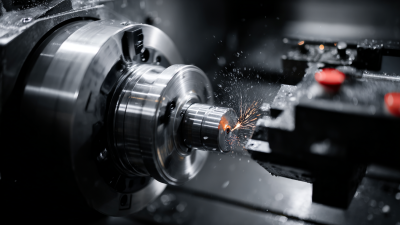
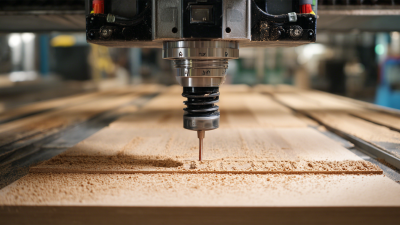
Understanding the basics of CNC machines is essential to transforming them into profitable assets. CNC stands for Computer Numerical Control. These machines automate the manufacturing process, allowing for precise cuts and designs. They can handle various materials, including wood, plastic, and metal. By realizing their capabilities, operators can open new avenues for revenue.
Running a CNC machine requires skill. Operators need to understand software, tools, and safety measures. Mistakes can happen. A wrong measurement can lead to wasted materials and time. Consistent practice and continual learning are vital. The more familiar you become with different settings and techniques, the more efficient you will be.
To enhance profitability, consider expanding your service offerings. Use CNC machines for custom projects such as signage, artwork, or prototypes. Marketing these services can attract diverse clients. Networking with local businesses can also lead to partnerships. Keep in mind that success doesn't happen overnight. Embrace each project as a learning opportunity. Your CNC machine can be a profitable venture with dedication and proper management.
Identifying Profitable Markets for CNC Machining Services
Identifying profitable markets for CNC machining services requires a deep understanding of industry demands. Research various sectors like automotive, aerospace, and medical components. Each industry has unique needs that can drive profitability. For example, the demand for custom parts in healthcare continues to grow. Manufacturers often need precision components that CNC machines can provide.
Networking with local businesses can uncover potential opportunities. Attend industry trade shows or join relevant online forums. Engage with different sectors that may benefit from CNC machining. It's vital to stay updated on market trends and technological advances. Monitor which types of machining services are gaining traction. These insights can shape your business strategy effectively.
Experimentation is essential. Test your offerings to various markets to find the best fit. Some ventures may not yield immediate success, but each misstep offers valuable lessons. Reassessing your services and adjusting to feedback can lead to improved results. Embrace the learning curve, as understanding market dynamics takes time and perseverance.
Strategies for Optimizing CNC Operations and Reducing Costs
Optimizing CNC operations can significantly reduce costs and enhance productivity. According to a report by the Association for Manufacturing Technology, companies utilizing CNC systems effectively can experience up to a 30% reduction in operational costs. Implementing preventive maintenance is crucial. Regular maintenance checks can prevent costly downtimes. In fact, a study indicated that unplanned downtime can account for as much as 5% of a company’s total production time.
Another effective strategy is to focus on tool management. Utilizing smart sensors can enhance tool life and process efficiency. An industry analysis found that proper tool management can boost productivity by 20%. However, businesses often overlook the importance of integrating software solutions with CNC machines. Poor software management can lead to inefficiencies and increased costs.
Investing in staff training is equally vital. Skilled operators can make better decisions on machine settings and tool usage. Reports show that about 70% of CNC inefficiencies stem from operator errors. This underscores the need for continual learning and adaptation in an ever-evolving industry. Reflecting on these areas can lead to substantial improvements and profitability over time.
How to Turn Your CNC Machine into a Profit-Making Asset? - Strategies for Optimizing CNC Operations and Reducing Costs
| Strategy |
Description |
Potential Savings (%) |
Implementation Time (Weeks) |
| Regular Maintenance |
Schedule and perform regular maintenance to prevent breakdowns and extend machine life. |
15% |
4 |
| Optimized Tool Path |
Use software to optimize tool paths for reduced cycle times. |
20% |
2 |
| Material Waste Reduction |
Implement processes to reduce scrap and ensure efficient use of raw materials. |
25% |
3 |
| Employee Training |
Invest in training for employees to improve their skills and efficiency. |
10% |
6 |
| Energy Efficiency |
Upgrade machines to more energy-efficient models or implement energy-saving protocols. |
30% |
8 |
Effective Marketing Techniques to Attract CNC Clients
Attracting clients for your CNC machining business requires targeted marketing techniques. Focus on showcasing your unique capabilities. Build a portfolio that highlights your best work. Visuals matter. Use high-quality images that illustrate precision and quality. Engage your audience through social media platforms. Share behind-the-scenes content that shows your process and equipment.
Networking plays a crucial role in attracting clients. Attend industry events and join local business groups. Establish relationships with suppliers and complementary businesses, like design firms. These connections can lead to referrals. Remember, personal connections often yield quality leads.
Consider offering workshops or demonstrations to showcase your expertise. People appreciate hands-on experiences. This strategy not only builds trust but also showcases your skills. Ensure your marketing materials convey clarity. Avoid jargon that might confuse potential clients. Engaging content simplifies your message, making your services more accessible. Transparency about what you offer invites inquiries from interested parties.
Implementing Quality Control to Enhance Customer Satisfaction and Retention
Quality control is essential for any CNC machining business. Implementing effective quality control measures can significantly enhance customer satisfaction. Start by establishing clear benchmarks for your products. These benchmarks should align with industry standards. Regular checks should be part of your daily operations. It’s a good practice to train your staff on quality protocols. This includes understanding specifications and recognizing defects early.
To further elevate customer trust, consider introducing inspections at different production stages. This proactive approach can catch issues before they reach the customer. Documenting each step not only assures quality but also shows your commitment to excellence. Customers appreciate transparency, which can lead to long-term loyalty.
Conducting regular feedback sessions with customers is also beneficial. This reveals areas needing improvement. Use the insights for continuous adjustments in your processes. Reflect on failures, no matter how minor they may seem. Growth often lies in addressing imperfections. Quality control isn't just a checkpoint—it's a culture that can turn your CNC machine into a profit-making asset.
Customer Satisfaction and Quality Control Metrics