2026 Top Medical Air Purifier Features You Should Know?
In today's world, the importance of clean air cannot be overstated. This is especially true in medical settings where patients are vulnerable. A medical air purifier plays a crucial role in ensuring high-quality air. It helps eliminate harmful particles, allergens, and viruses in the environment.
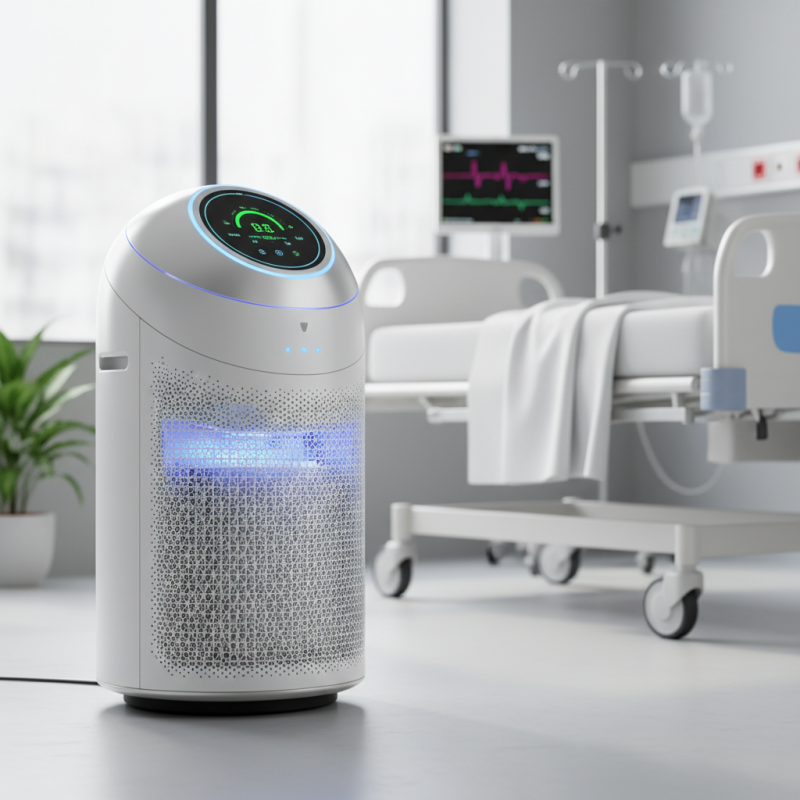
When choosing a medical air purifier, various features come into play. These include HEPA filters, UV-C light technology, and real-time air quality monitoring. Each feature serves a specific purpose, enhancing the overall effectiveness. However, not all models are equally efficient. Users must critically assess what they need based on individual circumstances.
While medical air purifiers offer numerous benefits, they also come with challenges. Maintenance can be tricky, and some users overlook this crucial aspect. Additionally, understanding the specs can be overwhelming. It's essential to do thorough research to avoid poor choices. As we explore the top features, let's keep these considerations in mind.
Key Technologies in Medical Air Purifiers for 2026
In 2026, medical air purifiers are set to integrate advanced technologies for improved air quality. These innovations focus on effective filtration systems. HEPA filters will remain crucial. They capture 99.97% of airborne particles. However, even the best filters can have limitations. Performance may drop if filters are not changed regularly.
Another key technology is UV-C light sanitization. This method targets bacteria and viruses, ensuring cleaner air. It's effective, yet not foolproof. Certain pathogens can survive high doses. Continuous evaluation is necessary to enhance effectiveness. Users should be mindful of maintenance needs to keep purifiers running optimally.
Smart technology is also emerging. Sensors can monitor air quality and adjust settings automatically. This feature adds convenience but may cause dependency on technology. Users should remain active in their air quality management. Balancing automation with personal responsibility is essential for the best results.
Essential Filtration Systems: HEPA vs. ULPA Filters Explained
Air purifiers have become essential in medical environments, focusing on air quality for both patients and staff. One of the most critical components is the filtration system. Notably, HEPA and ULPA filters stand out for their efficiency. They capture airborne particles, but their functionalities differ significantly.
HEPA filters can trap 99.97% of particles that are 0.3 microns in size. This includes dust, pollen, and even some bacteria. Their widespread use in hospitals indicates reliability. However, they may not filter the smallest particles effectively.
On the other hand, ULPA filters offer superior filtration. They capture 99.999% of particles as small as 0.12 microns. This is crucial for specialized medical settings where air quality is paramount. Still, their higher resistance can lead to airflow issues, requiring careful installation.
Both options have strengths and weaknesses. Choosing the right filter depends on specific needs. One must consider the type of contaminants present. Arriving at the best solution requires reflection on the operational limits and effectiveness of each filter type. Ultimately, understanding these filtration systems helps in maintaining a safe and healthy environment.
Smart Features: IoT Integration in Medical Air Purifiers
The integration of IoT in medical air purifiers represents a significant advancement. These devices are increasingly capable of monitoring air quality in real-time. According to a recent industry report, over 45% of healthcare facilities are adopting smart air purification solutions by 2026. This shift enhances patient safety and overall air quality.
Smart features allow for remote management. Users can receive alerts when filter replacements are necessary. This addresses a common oversight; often, filters are manually checked too infrequently. Data indicates that 30% of air quality issues stem from neglected maintenance.
Moreover, IoT-enabled air purifiers can analyze air quality trends. This capability provides insight into environmental improvements needed in healthcare settings. Interestingly, many users report a lack of familiarity with such technology. They are unaware of its benefits. Effective training or clear guidelines become essential in leveraging these innovations.
Noise Level and Energy Efficiency: What to Consider
When choosing a medical air purifier, noise level and energy efficiency are key factors. A quiet device is crucial, especially in bedrooms or offices. Many purifiers use fans that create noise. Opt for models that specify their decibel ratings. A unit that operates at 30-40 dB is usually comfortable. However, sometimes silence comes at a cost.
Energy efficiency is another important consideration. Look for models with an Energy Star rating. These devices save on electricity bills while providing clean air. Filters may require replacement, which can add to costs. Keep an eye on these expenses. The balance between efficiency and effectiveness can be tricky.
**Tips:** Consider how much time you'll spend near the purifier. If you’re sensitive to sound, prioritize noise level. Regularly check filter life to prevent airflow reductions. Choose a purifier that fits your lifestyle and space. Always reflect on your choices to ensure optimal results.
2026 Top Medical Air Purifier Features You Should Know
| Feature | Description | Noise Level (dB) | Energy Efficiency Rating |
| HEPA Filter | Removes 99.97% of particles 0.3 microns or larger | 30 | A++ |
| Activated Carbon Filter | Absorbs odors and harmful gases | 25 | B |
| UV-C Light | Destroys bacteria and viruses | 35 | A |
| Smart Features | Wi-Fi connectivity and mobile app control | 40 | A+ |
Design and Portability: Choosing the Right Model for Medical Use
When selecting a medical air purifier, design and portability are two crucial factors. Medical environments require efficient airflow and easy maneuverability. Reports indicate that nearly 40% of medical professionals prioritize these features when making purchasing decisions. A compact design can ensure that air purifiers fit seamlessly in various settings, from patient rooms to waiting areas.
Portability is equally vital. A lighter model can be moved between rooms as needed. Some sources suggest that more than 30% of healthcare facilities struggle with large, immobile units. Easy-to-use handles and wheels can enhance user experience. Some devices weigh as little as 15 pounds, making them ideal for fast-paced medical environments.
However, not all designs are perfect. Some models may lack adequate airflow rates despite being portable. It's essential to balance size and efficiency. Challenges can arise when filtering is not as effective in compact units. Users should focus on specifications to ensure they meet the necessary medical standards. Ultimately, choosing the right model requires careful consideration of these vital features.