Top 10 Material Handling Robots for Efficient Warehousing Solutions?
In today's fast-paced logistics industry, efficient operations are crucial for success. Material Handling Robots have emerged as a revolutionary solution. These robots streamline various processes, from sorting to transporting goods. Their growing adoption reflects a shift towards automation in warehousing. Companies are realizing the potential for increased productivity and reduced labor costs.
Many organizations struggle to keep up with demand. Manual handling can lead to errors and delays. Here, material handling robots offer reliability and efficiency. They operate tirelessly, adjusting to various tasks in real time. This flexibility allows companies to optimize their operations. Yet, the integration of these robots requires careful planning and training. It is essential to consider employee roles and workflow changes.
While material handling robots promise significant benefits, they are not a one-size-fits-all solution. High initial investments may deter some businesses. Additionally, not all warehouses have the same needs. Companies must evaluate their unique circumstances before deploying robotic solutions. Balancing automation with human labor remains a challenge. This complex landscape highlights the importance of strategic implementation in achieving warehouse efficiency.
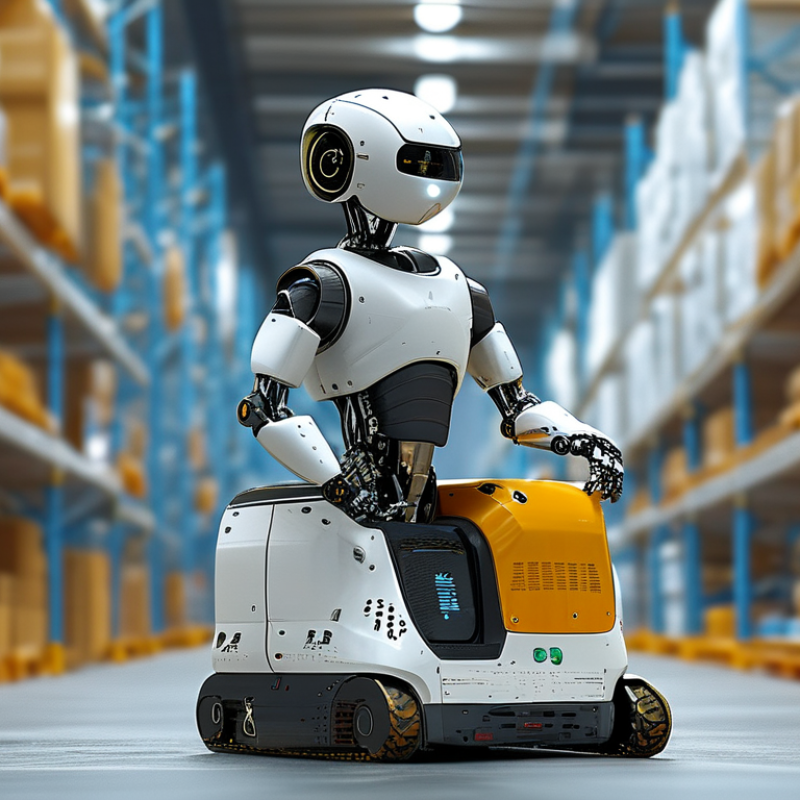
Top 10 Material Handling Robots: Overview of Their Benefits in Warehousing
In the fast-paced world of warehousing, efficiency is key. Material handling robots have transformed operations significantly. These robots streamline tasks like picking, packing, and sorting. By automating these processes, businesses can reduce labor costs and minimize human error. This increased efficiency leads to faster delivery times, meeting customer demands consistently.
Implementing these robots brings tangible benefits. They enhance safety by taking on heavy lifting and repetitive tasks. This reduces the risk of workplace injuries. Moreover, the precision of robots lowers the chances of damaged goods. However, integrating robots isn’t without challenges. Existing staff may require retraining to collaborate with automated systems. A gradual transition can ease resistance among employees.
Adopting material handling robots fosters a flexible environment. They can adapt to changing inventory needs without extensive downtime. However, it’s crucial to assess the right fit for specific warehouse operations. Not all robots are created equal; some may not align with particular workflows. A thoughtful approach can help identify the best solutions for challenges ahead.
Key Features and Technologies Driving Efficiency in Material Handling Robots
Material handling robots are revolutionizing warehouses by increasing efficiency. These robots utilize advanced technologies to optimize operations, making them indispensable in modern logistics. Key features, such as autonomous navigation, enable robots to move seamlessly through complex environments. Additionally, sensors and cameras allow them to detect obstacles in real time, ensuring safe operation in crowded spaces.
Integration with warehouse management systems enhances their effectiveness. Robots can gather data on inventory levels. This allows for better stock management. Real-time analytics provide insights into operational performance. However, relying heavily on technology presents challenges. System failures or software glitches can disrupt workflows. It’s important to have contingency plans in place.
Another noteworthy aspect is the adaptability of these robots. They can be programmed for different tasks, from picking to packing. Yet, their dependence on algorithms may lead to limitations. They might struggle with unexpected changes in layout or product types. Continuous training and updates are essential for maintaining optimal performance. Balancing automation with human oversight remains a critical consideration in warehousing.
Comparison of Robot Types: Automated Guided Vehicles vs. Robotic Arms
In warehousing, choosing the right type of robot is crucial. Automated Guided Vehicles (AGVs) and robotic arms serve distinct purposes. AGVs transport goods efficiently across large areas. They navigate autonomously, optimizing paths to reduce time. These vehicles enhance productivity by moving items in bulk, minimizing human intervention.
Robotic arms, on the other hand, excel in tasks like picking, sorting, and packing. They are designed for precision and speed. While they can handle delicate items, their fixed positions limit flexibility. Each robot type has strengths and weaknesses that must be considered.
**Tip**: Evaluate warehouse layout before choosing robots. AGVs work best in spacious environments, while robotic arms thrive in confined spaces.
Understanding the nature of your operations guides better robot selection. Many businesses face challenges when integrating new technologies. It’s essential to assess existing workflows for compatibility with automated systems. Regular maintenance is also crucial for long-term efficiency.
**Tip**: Prioritize training staff on new technologies. This boosts confidence and ensures smoother transitions between manual and automated processes.
Both AGVs and robotic arms can transform warehouse operations. However, it’s vital to analyze specific needs. A mismatch can lead to costly inefficiencies. Keeping an open mind and gathering feedback can reveal insights often overlooked.
Industry Statistics: Impact of Material Handling Robots on Warehouse Productivity
The integration of material handling robots in warehouses has dramatically improved productivity. Industry statistics reveal that these robots can enhance operational efficiency by 30-50%. A study from a leading logistics research firm highlights that warehouses employing robotics show a 20% decrease in labor costs. This shift allows workers to focus on higher-value tasks, which is crucial in today's competitive landscape.
Despite these advancements, not all implementations are seamless. Some warehouses struggle with integrating robots into existing workflows. Research indicates that around 25% of companies face challenges during deployment. This can lead to temporary disruptions and reduced efficiency.
Therefore, it is essential for warehouse managers to carefully plan their automation strategies, ensuring compatibility with current systems.
Moreover, while the benefits of increased speed and accuracy are clear, reliance on robots raises concerns. Technical failures could halt operations, impacting overall productivity. Some reports suggest that 15% of warehouses experienced downtime due to robotic malfunctions last year. Addressing these potential pitfalls is vital for long-term success in automation. The journey towards fully automated warehousing is complex, requiring continuous evaluation and adaptation.
Future Trends: Innovations Shaping the Next Generation of Warehousing Robots
The future of warehousing is being transformed by innovative technology. Recent reports indicate that the global market for material handling robots is expected to grow at a compound annual growth rate (CAGR) of over 15% by 2027. This growth reflects the increasing demand for automation in logistics and warehousing. Robotics solutions improve efficiency and accuracy in inventory management, significantly reducing human error.
Designing these robots involves complex engineering. Many systems now feature advanced AI, enabling them to adapt to dynamic environments. Data shows that 75% of logistics companies are already investing in automation. However, challenges remain. Integration with existing systems can be complicated. Robotics may not always seamlessly communicate with human staff. Such issues can lead to hesitance in adoption.
Incorporating vision systems allows robots to identify and handle diverse products. This capability is essential as warehouses streamline operations. It's crucial to address the potential disconnect between technology and human workers. The goal is to find harmony. Thus, as innovation progresses, ongoing analysis of workforce impact is vital.