


The Aeration Process In Wastewater Treatment plays a crucial role in enhancing the efficiency of pollutant removal. According to the Water Environment Federation, effective aeration can lead to a 20-50% reduction in biochemical oxygen demand (BOD). This is significant for maintaining the quality of treated water.
Dr. Susan Melrose, an expert in wastewater engineering, emphasizes the importance of aeration, stating, “Proper aeration is foundational to effective wastewater treatment and moving toward sustainability.” This highlights how the aeration process is not just beneficial but essential in modern treatment facilities.
Furthermore, while the benefits are apparent, there are challenges to consider. Aeration systems can be energy-intensive and costly to operate. Balancing efficiency and sustainability often requires innovative solutions. Despite these hurdles, the aeration process remains a cornerstone of effective wastewater management, allowing facilities to treat large volumes of water safely.
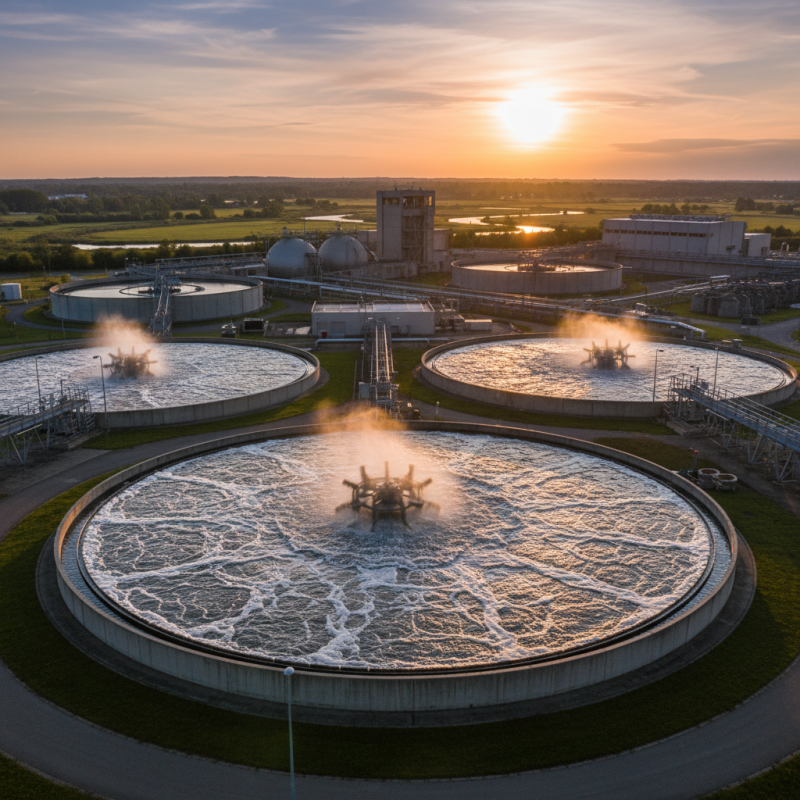
Aeration is a critical process in wastewater treatment. During aeration, air is introduced into water to boost the oxygen levels. This is essential for aerobic microorganisms that break down organic waste. The aeration process significantly enhances the efficiency of wastewater treatment plants. It results in cleaner effluent and reduced environmental impact.
Microbial growth is pivotal in this process. As these microbes consume organic matter, they convert it into harmless substances. The introduction of air creates a suitable environment for these organisms to thrive. This process reduces the need for chemical treatments and promotes sustainable practices.
Tips: Maintain optimal aeration rates to ensure efficiency. Monitor the oxygen levels regularly. Over-aeration can lead to unnecessary energy consumption. A balanced approach contributes to cost-effective management. Remember, small adjustments in aeration can yield significant results. Always assess your system for potential areas of improvement.

Aeration plays a crucial role in enhancing biological treatment efficiency in wastewater treatment. By introducing air into the wastewater, this process stimulates the growth of aerobic bacteria. These bacteria are essential for breaking down organic matter effectively. Improved aeration enhances the overall degradation of pollutants, resulting in cleaner effluent.
When optimizing aeration, consider the type of aeration system in use. Diffused aeration systems can deliver better oxygen transfer rates compared to surface aerators. Adjusting the air flow rates is vital as well. Too much air can lead to excessive energy consumption, while too little can hinder biological performance.
Regular monitoring of dissolved oxygen levels is fundamental. This ensures optimal conditions for bacterial growth. Also, pay attention to the influent quality. Changes in the wastewater characteristics can affect aeration efficiency. Maintenance of aeration equipment is essential. This prevents disruptions in the treatment process and ensures reliability. Effective aeration significantly enhances the biological treatment of wastewater, leading to more sustainable practices.
Aeration plays a crucial role in wastewater treatment, particularly for odor control and improving air quality. When wastewater is aerated, oxygen levels increase, promoting the growth of aerobic bacteria. These bacteria break down organic matter effectively. Research indicates that proper aeration can reduce odors by up to 90%. This significant reduction enhances the surrounding environment, making it more pleasant for nearby communities.
Moreover, improved air quality is a vital benefit of aeration. As waste decomposes, it often releases harmful gases, such as hydrogen sulfide. Aeration helps oxidize these gases, minimizing their release into the atmosphere. According to the U.S. Environmental Protection Agency, well-designed aeration systems can lower toxic gas concentrations significantly. In some cases, this results in a 70% decrease in hydrogen sulfide emissions. Effective aeration not only benefits wastewater facilities but also safeguards public health.
While aeration is beneficial, its implementation may not always be perfect. Factors like system design and operational adjustments can impact effectiveness. Continuous monitoring of aeration processes is essential to maximize odor control and air quality improvements. Adjustments may need to be made based on seasonal variations and flow rates. Therefore, maintaining an optimal aeration strategy requires ongoing attention and commitment from facility operators.
Aeration plays a crucial role in wastewater treatment, particularly in nutrient removal and enhancing water quality. During the aeration process, oxygen is introduced to wastewater, fostering aerobic bacteria growth. These bacteria break down organic matter effectively, reducing biochemical oxygen demand (BOD). According to the U.S. Environmental Protection Agency, proper aeration can remove up to 90% of pollutants in municipal wastewater.
The efficiency of nutrient removal significantly improves with controlled aeration. For instance, aeration can lower nitrogen concentrations by up to 80%, which is vital for preventing eutrophication in surface waters. Additionally, phosphorus removal is enhanced by promoting the growth of specialized bacteria that thrive in aerated conditions. These processes are essential for meeting regulatory standards and protecting aquatic ecosystems.
However, the aeration process isn’t without challenges. Over-aeration can lead to excessive energy consumption, which increases operational costs. Balancing aeration levels is critical to optimize treatment efficiencies and energy use. In some cases, facilities may struggle with maintaining these balances, prompting the need for continuous assessment and potential adjustments. Effective management is fundamental to maximizing aeration benefits while minimizing drawbacks.
Aeration is a vital component in wastewater treatment, providing significant economic advantages. According to a report by the U.S. Environmental Protection Agency (EPA), proper aeration can enhance microbial activity, leading to more effective nutrient removal. This efficiency translates to less energy consumption, reducing operating costs by approximately 30%. Facilities that implement optimized aeration systems see a swift return on investment.
In addition, aeration can improve sludge management. Improved oxygen levels help break down solids faster, resulting in reduced sludge volume. A study from the Water Research Foundation highlights that this reduction can lower disposal costs by nearly 20%. Less sludge means lower transportation fees, which is a substantial savings, yet often overlooked by some facilities.
**Tips:** Regularly monitor aeration efficiency. Adjustments can save costs. Innovations in aeration technology can lead to unforeseen savings, paving the way for new operational strategies. It’s crucial to assess current aeration practices and remain open to updates. This adaptability can be the difference between high expenditure and streamlined operations.
| Benefit | Description | Economic Advantage |
|---|---|---|
| Improved Treatment Efficiency | Increases the breakdown of organic matter in wastewater. | Reduces the need for additional treatment processes. |
| Enhanced Oxygen Transfer | Facilitates better oxygenation, essential for aerobic bacteria. | Lowers operational costs related to aeration methods. |
| Reduction in Sludge Volume | Aeration helps in reducing the sludge produced during treatment. | Decreases disposal costs and increases treatment efficiency. |
| Reduction of Odors | Decreases foul odors associated with stagnant wastewater. | Improves neighborhood relations and community acceptance. |
| Lower Energy Consumption | Efficient aeration systems reduce energy needs for pumping. | Saves on electricity costs, leading to long-term savings. |
| Enhanced Nutrient Removal | Improves the removal of nutrients like nitrogen and phosphorus. | Reduces the need for expensive nutrient removal processes. |
| Regulatory Compliance | Helps facilities meet environmental discharge regulations. | Avoids costs associated with fines and legal actions. |
| Scalability | Aeration systems can be scaled up or down as needed. | Provides flexibility based on wastewater treatment demands. |
| Improved Final Effluent Quality | Results in higher quality effluent discharge. | Enhances the viability of water reuse programs. |
| Increased Operator Control | Provides operators with better control over treatment processes. | Minimizes operational risks and enhances efficiency. |