


Request a free quote Phone Icon
die cutting materials

Blog

Top 10 Single VSD Compressor Manufacturers Worldwide?

Top 10 Single Vsd Compressor Manufacturers Worldwide? This question deserves more than a simple sales ranking. A Single VSD Compressor adjusts motor speed to match changing air demand, helping reduce unloaded running and pressure instability. In a busy factory, that difference appears in quieter operation, lower peak consumption, and fewer pressure drops at distant workstations.

The U.S. Department of Energy’s Improving Compressed Air System Performance sourcebook reports that compressed-air leaks can waste 20–30% of compressor output in poorly maintained systems. This figure explains why drive technology alone cannot guarantee efficiency. Receiver sizing, filtration, controls, maintenance, and leak detection also influence real operating costs. The IEA’s Energy Efficiency 2023 analysis further emphasizes the importance of efficient electric motor systems, which support the business case for variable-speed equipment.

This guide compares ten established manufacturers using practical criteria: measured efficiency, pressure range, oil-injected or oil-free design, service coverage, controller capability, lifecycle cost, and documented reliability. Manufacturer claims require careful reading. Test conditions vary. A compressor that performs well in a laboratory may behave differently in a dusty plant with uneven demand and frequent starts.

No ranking is perfectly universal. Regional support matters. Spare parts matter more. Buyers should verify ISO 11011-based system assessments, published performance curves, and local service response before choosing a model. The strongest Single VSD Compressor is not always the largest or most expensive unit. It is the machine that fits the actual demand profile, operates efficiently at partial load, and remains maintainable for years.
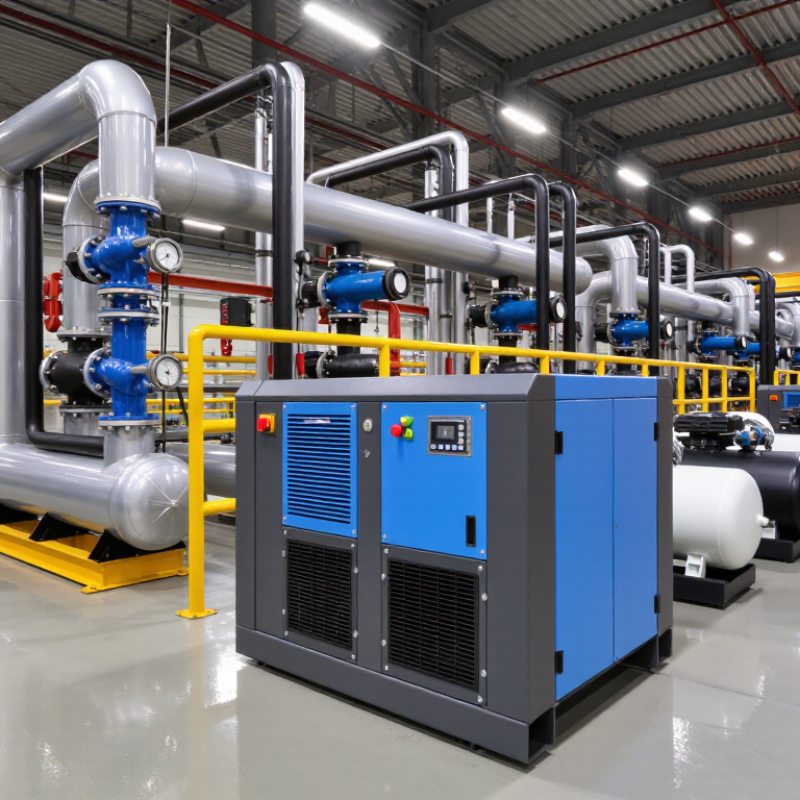
Top 10 Single VSD Compressor Manufacturers Worldwide?

What Is a Single VSD Compressor and How Does It Work?

What Is a Single VSD Compressor and How Does It Work?

A single VSD compressor uses a variable speed drive to match motor speed with compressed-air demand. A pressure sensor reads the system header continuously. The controller then adjusts motor rotation, rather than repeatedly switching between full load and idle. At a workshop, this means the motor slows when only one assembly line needs air. It accelerates when several pneumatic tools start together.

The U.S. Department of Energy reports that compressed-air systems can represent about 10% of industrial electricity use. Its compressed-air guidance also identifies potential energy savings of 20–50% through better system management. A VSD can support these savings, especially where demand changes during shifts. However, the result depends on pressure settings, leakage, receiver capacity, and operating hours. The drive is not a magic box.

A single VSD unit can reduce pressure swings and limit unloaded running. Its controller usually combines a pressure transducer, inverter, motor, and compressor element. Lower speed often reduces power consumption, but efficiency may decline near the minimum operating range. This detail is frequently overlooked. In practical audits, I would compare hourly demand with the compressor’s control curve, not rely on a brochure figure. The European Commission also treats compressed air as a major industrial efficiency opportunity, yet poorly maintained filters and hidden leaks can erase expected gains. A small leak can sound harmless. Across a year, it may become expensive.

Top 10 Single VSD Compressor Manufacturers Worldwide? – What Is a Single VSD Compressor and How Does It Work?
Manufacturer-neutral technical comparison of single variable-speed-drive compressor systems
No. Technical Dimension Verified General Fact Typical Industry Data or Engineering Basis
1 Definition A single VSD compressor is one compressor package equipped with a variable-speed drive. The drive changes motor speed to match compressed-air demand. The system normally includes one compressor element, one motor, one VSD, cooling equipment, controls, and air-treatment connections.
2 How It Works A pressure or flow sensor sends operating information to the controller. The controller adjusts motor frequency and compressor speed to maintain the selected system pressure. Speed regulation is continuous within the approved operating range rather than limited to simple load/unload control.
3 Common Compressor Type Oil-injected rotary screw compressors are widely used with VSD technology because their output can be controlled smoothly over a broad demand range. Oil-free screw, scroll, centrifugal, and reciprocating packages can also use variable-speed technology, subject to design limitations.
4 Motor-Speed Control The VSD converts incoming electrical power into a controlled-frequency and controlled-voltage supply for the motor. Industrial VSD systems commonly use power electronic switching and closed-loop control to regulate motor speed and torque.
5 Typical Pressure Range Industrial compressed-air systems commonly operate in the approximate range of 7 to 13 bar(g), although the available range depends on the compressor design and application. Higher-pressure models are available for specialized applications such as PET bottle blowing and process air.
6 Typical Capacity Range Single VSD compressor packages are available from small workshop units to large industrial systems, with capacity commonly specified in cubic metres per minute or cubic feet per minute. Actual flow depends on motor size, discharge pressure, inlet conditions, compressor element, and allowable speed range.
7 Energy-Saving Principle Energy savings result from reducing motor speed during periods of lower air demand and avoiding prolonged full-speed unloading. Savings are greatest where demand fluctuates substantially; they cannot be predicted accurately without a demand profile and operating schedule.
8 Control Range The practical turndown range is limited by minimum motor speed, oil circulation, compressor-element efficiency, cooling requirements, and the manufacturer’s control strategy. A wider speed range does not automatically mean higher efficiency across the entire operating envelope.
9 Efficiency Measurement Compressor efficiency is commonly evaluated using specific power, expressed as kilowatts per unit of delivered air, together with measured flow and discharge pressure. ISO 1217 is widely used as a reference for compressor performance testing and acceptance measurements.
10 Selection Criteria Correct selection should consider minimum and maximum air demand, pressure stability, duty cycle, power supply, ambient temperature, air quality, service requirements, and lifecycle cost. Comparing only the motor rating or maximum flow can lead to incorrect sizing and higher total operating costs.
Note: This table intentionally omits company names, brands, rankings, and proprietary manufacturer data. Actual performance should be verified from independently tested technical data under comparable pressure, temperature, flow, and power-quality conditions.

Key Criteria for Evaluating Global Compressor Manufacturers

Choosing the top ten single VSD compressor manufacturers worldwide requires more than comparing horsepower and purchase prices. Real evaluation begins with application fit. Check the required airflow, pressure range, duty cycle, ambient temperature, and installation altitude. A reliable manufacturer should provide verified performance data across changing loads, not only one ideal operating point. Ask for test conditions, tolerances, and electrical consumption at 25%, 50%, and 100% capacity.

Engineering depth matters. Review the VSD control logic, motor efficiency, cooling design, noise level, and protection against voltage variation. Examine service records from comparable factories. A strong supplier can explain failure patterns, bearing life, oil separation, and maintenance intervals in practical terms. Factory testing should include vibration checks, insulation tests, leak inspections, and documented quality controls. Certifications help, but they do not replace evidence from operating sites.

Support often separates excellent manufacturers from average ones. Confirm spare-parts availability, technician response times, remote monitoring capability, and local training. Ask whether software updates are controlled and whether cybersecurity responsibilities are clearly defined. Lifecycle cost should include energy, filters, oil, downtime, disposal, and technician labor. No scorecard is perfect. I may overvalue efficiency when a weak service network creates longer outages. Independent references, transparent warranties, and honest answers to difficult questions reveal more than polished brochures. Look for proof.

Profiles of the Top 10 Single VSD Compressor Manufacturers

The leading ten single VSD compressor manufacturers differ in engineering priorities and field experience. A German engineering house focuses on low-noise rotary screw systems, using enclosed motors and carefully tuned cooling paths. A Japanese manufacturer is known for compact footprints, stable speed control, and precise factory testing. A Scandinavian producer emphasizes cold-climate reliability, with cabinets designed for moisture and temperature changes. Its manuals are clear, although some service diagrams feel dated.

A North American manufacturer develops heavy-duty units for workshops and process plants. Its controllers provide useful alarm histories and load profiles. An Italian specialist combines efficient airends with flexible installation options. A South Korean producer targets high-output applications, adding remote monitoring and detailed maintenance alerts. A Swiss company concentrates on premium efficiency, testing compressors across different pressure ranges. The results are impressive, but the purchase price can challenge smaller facilities.

A French manufacturer offers integrated dryers, filters, and simplified package layouts. This approach saves floor space near production lines. An Indian producer serves fast-growing industrial markets with practical configurations and accessible replacement parts. A Chinese manufacturer competes through broad capacity options, shorter delivery schedules, and increasingly refined controls. Quality can vary between product families, so buyers should inspect test records carefully. The tenth manufacturer specializes in oil-free single VSD compressors for sensitive manufacturing environments. Its systems demand disciplined maintenance and clean installation conditions. Field checks still matter.

Top 10 Single VSD Compressor Manufacturers Worldwide? - Profiles of the Top 10 Single VSD Compressor Manufacturers

The chart presents common industrial operating-pressure bands used when evaluating single variable-speed-drive (VSD) compressors. Most factory compressed-air systems operate around 7–8 bar, while higher-pressure applications require specialized compressor configurations. These reference ranges help compare manufacturer capabilities without presenting company-specific or brand-specific data.

Comparison of Technologies, Product Ranges, and Market Strengths

Top 10 Single VSD Compressor Manufacturers Worldwide

The leading ten manufacturers compete through efficiency, control quality, and service depth. Their single VSD compressors adjust motor speed as demand changes. This reduces unloading losses during partial-load operation. Many current models use permanent-magnet motors, advanced inverters, and integrated controllers. Some still prefer induction motors because they are familiar and easier to maintain. The best choice depends on operating hours, air demand, and site conditions.

Product ranges differ considerably. Several manufacturers offer oil-injected screw compressors from small workshop units to large industrial packages. Others focus on oil-free screw or centrifugal systems for food, electronics, and pharmaceutical production. Variable-speed control is usually strongest between 40% and 80% load. Below that range, efficiency may decline. Buyers should examine specific performance curves, not only advertised peak savings.

Market strength also reflects local service networks, spare-parts availability, and commissioning expertise. European suppliers often emphasize premium efficiency and low-noise engineering. North American suppliers commonly provide broad industrial packages and strong aftermarket support. Asian manufacturers increasingly compete through flexible configurations and attractive lifecycle costs. These patterns are useful, but not absolute. A regional service partner can matter more than a small efficiency advantage. No ranking is perfect. Real-site measurements are still necessary. One overlooked issue is compressed-air leakage, which can erase impressive VSD savings within months.

Industrial Applications and Selection Considerations for Buyers

Top 10 Single VSD Compressor Manufacturers Worldwide?

Industrial Applications and Selection Considerations for Buyers

Industrial facilities use single VSD compressors where air demand changes throughout the day. Packaging lines may need sharp pressure recovery during actuator cycles. Workshops often require steady air for tools, cleaning, and pneumatic controls. Food processing sites demand careful filtration, low contamination risk, and easy sanitation around the installation.

Selection should begin with measured pressure and flow data, not a catalog estimate. Record peak demand, average demand, and idle periods over several operating shifts. Do not size the compressor only for the highest short-term spike. An oversized unit may run inefficiently, while an undersized unit can cause unstable pressure. Check the VSD control range, motor efficiency, starting response, and pressure tolerance.

Site conditions also matter. Dust, heat, humidity, and limited ventilation can shorten service intervals. Confirm receiver capacity, dryer compatibility, electrical requirements, and access for filter replacement.

Maintenance access is practical, not cosmetic. A technician should reach key components without dismantling nearby equipment. I have seen buyers focus heavily on purchase price. That assumption often fails after energy and service costs appear.

Ask for tested performance data, expected maintenance schedules, noise levels, and local technical support. A weak point remains: real demand data is sometimes incomplete. Recheck it before approving the final specification.