


Request a free quote Phone Icon
die cutting materials

Blog

7 Tips for Choosing Backhoe Loader Buckets

Choosing the right Backhoe Loader Buckets can change how quickly a machine digs, loads, and finishes a site. A bucket that looks suitable in a catalog may perform poorly in wet clay, compacted gravel, or narrow utility trenches. Experienced operators usually judge more than capacity. They watch how the bucket enters the ground, how easily material releases, and whether the machine remains stable during repeated cycles.

Small details matter. Measure the trench width before selecting a bucket. Check the loader’s lifting capacity, hydraulic limits, pin dimensions, and coupler compatibility. Digging teeth can improve penetration in hard soil, while a smooth edge may leave a cleaner finish. A heavy-duty bucket suits abrasive rock, but it can reduce efficiency when the loader is too small. That trade-off is easy to overlook.

There is no perfect bucket.

Reliable selection combines manufacturer specifications with real jobsite experience. Talk with operators who have used similar equipment in comparable conditions. Inspect wear patterns on existing buckets; uneven teeth or cracked side plates often reveal poor matching or harsh operating habits. These signs deserve attention. Still, field feedback is not infallible, and one contractor’s best choice may fail on another site. The following seven tips examine bucket type, size, material, teeth, attachment fit, maintenance needs, and total operating value. Together, they provide a practical framework for making a safer, more informed decision.
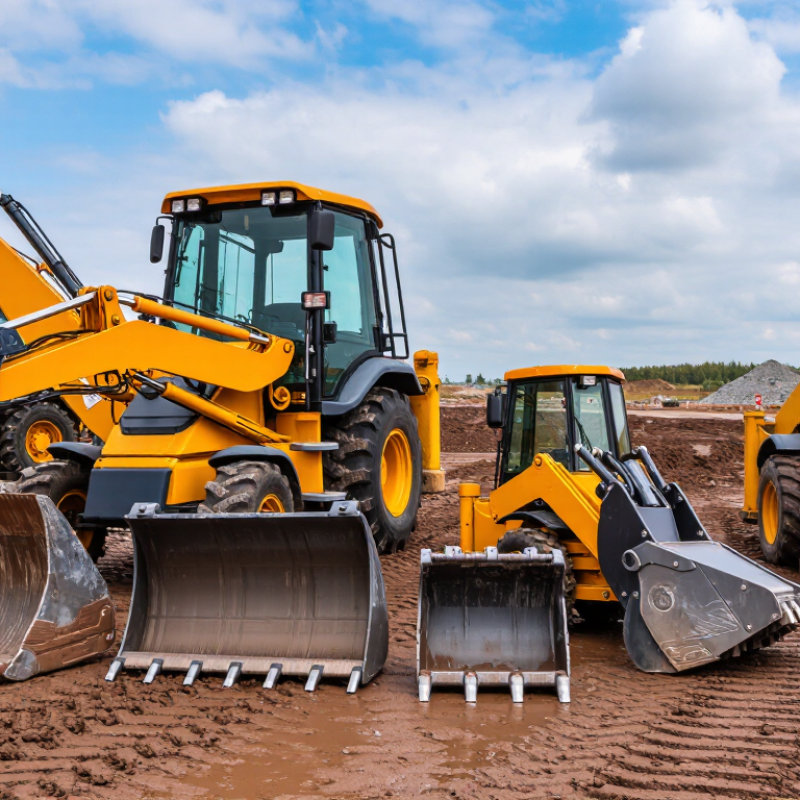
7 Tips for Choosing Backhoe Loader Buckets

Identify the Backhoe Loader’s Main Tasks and Working Conditions

7 Tips for Choosing Backhoe Loader Buckets

Identify the Backhoe Loader’s Main Tasks and Working Conditions

Start with the work. A digging bucket suits narrow trenches, while a wider bucket improves loading and grading. Match the bucket width to the trench design, material volume, and machine reach. A bucket that is too wide may overload the loader or damage nearby structures. A narrow bucket can waste fuel and increase passes.

In field inspections, I check soil moisture, rock content, access space, and ground stability. Dry clay may need stronger teeth and a reinforced cutting edge. Loose sand often benefits from a larger capacity bucket with suitable side profiles. Wet soil can stick inside the bucket, reducing the real payload. That matters.

Consider the daily task, not only the hardest task. Repeated digging, truck loading, and light cleanup may require different bucket features. Check the loader’s rated capacity, hydraulic limits, pin dimensions, and recommended bucket weight. These details should come from reliable technical documents and experienced service personnel. I once focused too much on bucket capacity and ignored clearance around a building. The choice looked efficient, but it slowed the entire crew. Site conditions changed after rain, too. Recheck them before purchase.

Match Bucket Capacity to Machine Size and Hydraulic Performance

7 Tips for Choosing Backhoe Loader Buckets

Bucket capacity must match machine size and hydraulic performance. A large bucket is not automatically more productive. It may overload the loader arms, slow cycle times, and increase fuel use. The 2024 Off-Highway Research market review identifies backhoe loaders as major utility machines across construction, agriculture, and municipal work. That range demands careful bucket selection.

Start with the machine’s rated lift capacity, hydraulic flow, and relief pressure. Then compare the bucket’s heaped and struck volumes. SAE J296 provides the standard method for measuring loader bucket capacity, while ISO 14397-1 addresses rated operating load and hydraulic lifting performance. These figures create a safer comparison than width alone. For example, a 0.30 m³ bucket may suit a compact machine, but the same volume can be excessive when dense clay or wet gravel is handled.

Material density changes everything. Dry soil may weigh about 1,600 kg/m³, while wet clay can approach 2,000 kg/m³. A full bucket therefore adds several hundred kilograms before impact forces are considered. I have seen operators choose capacity by appearance, then lose stability during a side lift. That choice looked efficient. It was not. Check the machine manual, calculate the expected load, and leave hydraulic reserve for digging resistance. Smaller buckets often work better in hard ground. Teeth, cutting edges, and quick couplers also add weight, which is easy to overlook.

7 Tips for Choosing Backhoe Loader Buckets - Match Bucket Capacity to Machine Size and Hydraulic Performance

Tip Selection Focus What to Check Practical Guidance Common Risk if Mismatched
1 Match Bucket Capacity to Machine Size Compare the bucket's rated capacity and weight with the loader's operating weight, lift capacity, and manufacturer-approved attachment range. Compact backhoe loaders commonly use smaller buckets, often about 0.08–0.30 m³. Larger construction backhoes may use loader buckets around 0.50–1.00 m³ or more, depending on the machine configuration and material density. Use the machine's approved specification rather than capacity alone. An oversized bucket can reduce stability, increase front-axle loads, slow cycle times, and make the machine difficult to control when fully loaded.
2 Check Hydraulic Flow and Pressure Verify the required hydraulic flow rate, maximum working pressure, cylinder capability, and quick-coupler compatibility. A bucket itself is usually a non-powered attachment, but its size and material load must remain within the loader-arm and hydraulic-cylinder limits. For powered tools such as hydraulic thumbs or tilt buckets, match the attachment's required flow and pressure to the auxiliary circuit. Excessive hydraulic demand may cause slow operation, overheating, poor breakout force, seal damage, or premature wear of pumps and cylinders.
3 Select the Bucket for the Material Identify the material's density, abrasiveness, moisture content, particle size, and likelihood of sticking. Use a general-purpose bucket for common soil and mixed materials. Use a heavier-duty bucket with reinforced wear areas for gravel, compacted soil, or abrasive aggregate. For light, bulky materials, a larger light-material bucket may improve volume productivity only when the operating load remains within limits. A bucket that is too light may deform or wear quickly in abrasive ground, while an unnecessarily heavy bucket reduces payload and fuel efficiency.
4 Choose the Correct Bucket Width Compare bucket width with trench dimensions, tire clearance, loader-arm geometry, and the required digging or loading path. A narrow trenching bucket concentrates breakout force and helps avoid over-excavation. A wider bucket covers more area during grading or cleanup. The bucket should not contact the tires, stabilizers, loader arms, or nearby structures through the complete operating range. Excessive width can overload the linkage or produce uneven digging. Insufficient width may increase passes, cycle time, and operating cost.
5 Consider Digging Depth and Geometry Review bucket curl angle, dump clearance, reach, breakout angle, pin position, and the machine's backhoe or loader linkage geometry. For excavation, prioritize tooth penetration, a suitable cutting-edge angle, and adequate bucket curl. For loading and grading, prioritize smooth rollback, controlled dumping, and good visibility. Confirm that the bucket reaches the required depth without forcing the boom or dipper into an extreme position. Incorrect geometry can reduce digging force, leave material in the bucket, increase spillage, and place abnormal stress on pins, bushings, and linkage components.
6 Evaluate Teeth, Cutting Edge, and Wear Protection Inspect tooth style, replaceability, cutting-edge thickness, side cutters, heel plates, and wear-resistant reinforcement. Replaceable teeth are useful for digging and can be changed when worn. A straight cutting edge is often preferred for grading and cleanup. Reinforced edges and side cutters are beneficial in abrasive ground, but additional steel also increases bucket weight. Worn teeth reduce penetration and increase fuel use. Excessive reinforcement may reduce useful payload and change the attachment's balance.
7 Confirm Coupler and Safety Compatibility Verify pin diameter, pin spacing, mounting ears, coupler type, locking method, attachment weight, and required safety-retention features. A direct-pin bucket must match the machine's attachment dimensions precisely. For a quick coupler, confirm that the bucket is designed for that coupler and that both primary and secondary locking systems engage fully. After installation, perform a low-height function test before lifting a load. Incorrect dimensions or incomplete locking can cause excessive play, accelerated pin wear, attachment detachment, property damage, or serious injury.
Important: Bucket capacity, rated load, hydraulic limits, and attachment dimensions vary by machine configuration. Always verify the final selection against the current operating manual, approved attachment chart, and the bucket manufacturer's engineering data.

Choose the Right Bucket Profile for Digging and Material Handling

7 Tips for Choosing Backhoe Loader Buckets

Choose the Right Bucket Profile for Digging and Material Handling

A bucket’s profile controls how it enters soil, carries material, and releases the load. In field work, I have seen operators lose time with buckets that looked suitable but handled poorly. Match the profile to the ground, not only the machine’s lifting capacity. A narrow, deep bucket usually penetrates compact soil better. A wider bucket can move loose material faster. The perfect choice is uncommon.

Tip 1: Check the digging profile. Use a narrow cutting edge for clay, packed gravel, or trenching.

Tip 2: Review the bucket’s back shape. A rounded back can improve material release and reduce buildup.

Tip 3: Match width to the trench. Excessive width creates unstable edges and unnecessary spoil.

Tip 4: Inspect teeth and cutting edges. Blunt teeth increase pressure and fuel use.

Tip 5: Consider material handling. Light, loose materials may need more volume, while dense loads require stronger construction.

Tip 6: Confirm hydraulic compatibility. Bucket weight affects breakout force, lifting balance, and cycle control.

Tip 7: Test visibility from the cab. A bucket that hides the work area can slow precise digging.

I often recommend testing the bucket on the actual site. Soil conditions change within a few meters. That detail is easy to miss. Recheck the profile after several work cycles. Wear can alter the cutting angle, and my original selection may need adjustment.

Evaluate Bucket Teeth, Cutting Edges, and Wear Resistance

7 Tips for Choosing Backhoe Loader Buckets

A backhoe loader bucket works well only when its contact parts match the job. I inspect the teeth before judging the bucket shell. Sharp, secure teeth should enter compact soil without excessive vibration. Rounded teeth usually increase fuel use and reduce digging control. Check the tooth adapters too. Loose adapters can damage the lip and create unsafe movement.

Tip 1: Match tooth shape to the material. Narrow teeth suit penetration, while wider teeth improve material handling. Tip 2: Examine the cutting edge for straightness and thickness. A bent edge leaves an uneven trench and places extra stress on the bucket. Tip 3: Compare replaceable edge costs with expected working hours. The cheapest option may wear faster than expected.

Wear resistance depends on steel quality, heat treatment, and operating habits. Hard, abrasive ground can quickly remove metal from the side cutters. Inspect high-wear areas at regular intervals, especially after working in gravel or crushed rock. I once focused too much on tooth strength and overlooked the cutting edge. That mistake caused uneven digging and earlier repairs. Bucket selection is not perfect by specification alone. Operator technique, soil moisture, and loading angles also matter. Leave room for practical testing. A short site trial can reveal more than a long catalog description.

Check Attachment Compatibility, Maintenance Needs, and Total Cost

A backhoe loader bucket should fit the machine before it fits the job. Measure the coupler, pin diameter, pin spacing, hydraulic circuit, and approved attachment weight. Check the loader’s lift chart, not only the bucket’s advertised capacity. An oversized bucket can reduce breakout force and increase boom stress. That is expensive.

Maintenance needs deserve equal attention. Choose accessible grease points, replaceable wear edges, and visible welds. Ask how often teeth, pins, bushings, and cutting edges require inspection. The AGC’s 2024 Workforce Survey found that 94% of construction firms struggled to fill craft positions. Simple servicing can reduce mistakes when skilled labor is limited. Keep it practical. An operator should inspect critical parts beside the machine, even in mud or poor weather.

Total cost includes more than purchase price. EquipmentWatch’s 2024 Cost Recovery Handbook separates depreciation, repairs, fuel, labor, and downtime when calculating hourly ownership costs. Use that method for your comparison. Record expected cycles per hour, fuel use, maintenance hours, and lost production during repairs. Then compare the bucket’s cost against its expected service life. A cheaper bucket may wear faster and create more downtime. A premium option may still be wasteful for occasional trenching. This calculation is never perfect. Recheck it after thirty working days, because real soil, operators, and loading habits often challenge the original estimate.

7 Tips for Choosing Backhoe Loader Buckets

Compare the practical priorities that affect bucket selection, including attachment compatibility, digging performance, maintenance requirements, and total ownership cost.

The priority scores use a 1–10 planning scale: higher values indicate criteria that generally deserve more attention before purchase. Always confirm dimensions, pin locations, hydraulic requirements, operating weight, and manufacturer specifications for the specific loader and bucket.

Article Source: