What is an Outlet Extender and How Does It Work?
In today's world, electrical needs are constantly increasing. People often face power issues in their homes or offices. This is where an Outlet Extender comes into play. This device offers a practical solution for creating additional outlets. It is compact and easy to use, addressing the frequent problem of running out of sockets.
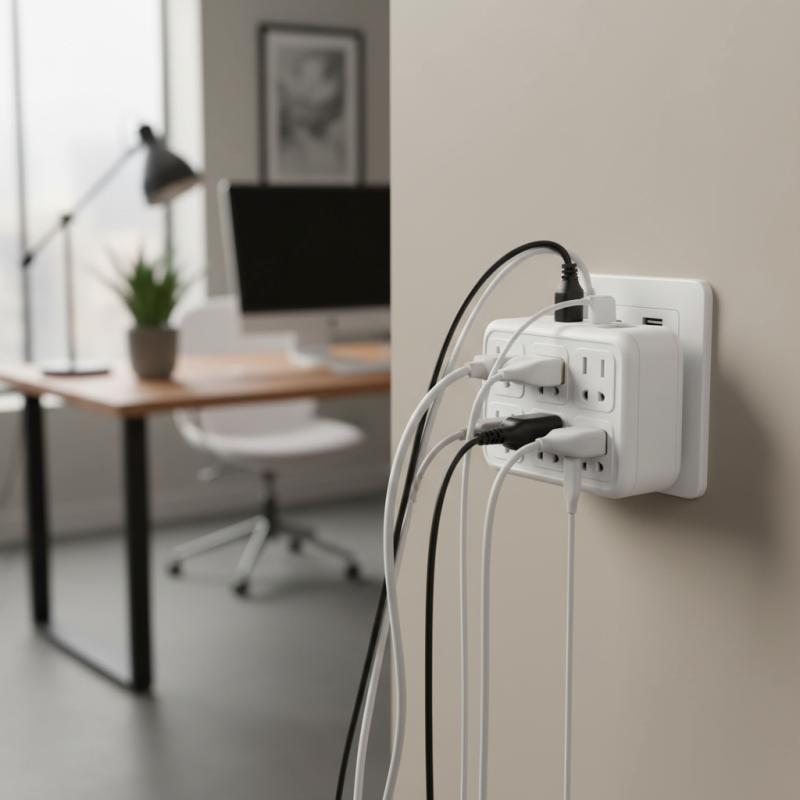
An Outlet Extender works by plugging into an existing outlet. It then provides multiple additional outlets, allowing for more devices to be connected. This simplicity makes it a popular choice for many users. Yet, safety should always be considered. Overloading can lead to hazards, so it’s essential to understand your power needs.
Despite its benefits, not all Outlet Extenders are created equal. Some may lack durability or safety features. Users need to research and select trustworthy products. Keeping an eye on quality ensures reliability. The right Outlet Extender can enhance convenience and productivity in any space.
What is an Outlet Extender?
Outlet extenders are practical devices that increase the number of available electrical outlets. They are particularly useful in homes or offices where multiple devices require power. An outlet extender typically plugs into a standard electrical outlet and provides additional sockets. This allows for simultaneous use of multiple devices, from chargers to home appliances.
Using an outlet extender can help avoid the clutter of wires. However, caution is essential. Overloading an extender can lead to overheating. Load ratings vary between models, so always check before plugging in devices.
Tips:
1. Always check the maximum wattage. It’s easy to overlook this detail.
2. Keep the extender in a well-ventilated area. This can help prevent accidents.
3. Consider the location of the extender. Ensure it's not in a high-traffic area where it could be accidentally unplugged.
Not all extenders are created equal. Some may not have surge protection features. Investing in a high-quality model can enhance safety. Regularly inspect the device for any signs of wear or damage. A small crack could pose potential risks.
Types of Outlet Extenders Available
When it comes to outlet extenders, there are several types available, each serving different needs. Basic models simply increase the number of available sockets. These models plug into existing outlets to double or triple the number of plugs. They are ideal for spaces with limited outlets, like older homes. However, many users may overlook the importance of having surge protection. This feature is crucial in safeguarding devices from electrical surges.
Another common type is the power strip, which often includes multiple outlets and sometimes USB ports. This design allows users to connect several devices simultaneously. However, excessive use of power strips can lead to overloading, creating safety hazards. Users should regularly check to ensure they are not drawing too much power from a single outlet.
Then there's the wall outlet extender, which replaces the existing outlet cover. These extenders expand the outlet's capacity without taking up space. They can also enhance the aesthetic of a room. However, some users may find installation tricky. It’s essential to follow instructions carefully to avoid improper installation. Each type of outlet extender offers unique advantages, but it’s important to remain aware of potential risks.
How Outlet Extenders Function Mechanically
Outlet extenders are devices designed to enhance the functionality of standard electrical outlets. Mechanically, they expand the number of devices that can be plugged in at once. This is achieved through a simple yet effective design. The extender typically includes additional sockets and may integrate a surge protector.
When using an outlet extender, it’s essential to consider the load it handles. Each outlet has a maximum wattage limit. Exceeding this can lead to overheating or, worse, electrical fires. Users often overlook this risk while connecting multiple devices. Awareness of this potential hazard is crucial for safe usage.
The internal wiring of outlet extenders is designed to distribute power efficiently. However, not all extenders are created equal. Some may lack adequate safety features. Users should inspect components carefully. Look for certifications that indicate quality assurance. A little diligence here can prevent serious issues down the line.
Benefits of Using Outlet Extenders
Outlet extenders are practical devices that help expand the usability of electrical outlets. They offer numerous benefits that can enhance convenience and safety in your home or office. A recent report from the Electrical Safety Foundation International noted that improper use of outlets contributes to approximately 25% of electrical fires. Outlet extenders can mitigate these risks by allowing multiple devices to be plugged in safely.
Using outlet extenders can also optimize space. Many homes today have limited outlets available. Devices like phone chargers, laptops, and smart devices can quickly exceed the number of accessible plugs. An extender can provide additional sockets without the need for complicated wiring. Moreover, some extenders come with surge protection features, which can safeguard valuable electronics. According to a report from the National Fire Protection Association, devices that overheat due to electrical issues can be prevented with proper outlet management.
Tips: When choosing an outlet extender, consider the load it can handle. Overloading an extender can lead to hazards. Regularly check for any signs of wear or damage. These checks help ensure that your extender operates safely. Implementing these practices can greatly reduce the risk of electrical accidents in homes and offices.
Benefits of Using Outlet Extenders
Safety Considerations and Best Practices for Outlet Extenders
Outlet extenders provide a practical solution for increasing the number of available electrical outlets in a home. However, their use comes with safety considerations that should not be overlooked. According to the National Fire Protection Association, faulty electrical equipment causes thousands of home fires each year. Users should be aware of potential risks, such as overloading circuits or using extenders with damaged cords.
When utilizing outlet extenders, judicious placement is vital. Ensure that extenders are not covered by furniture or drapes, which can lead to heat build-up. The U.S. Consumer Product Safety Commission warns that such blockages may lead to overheating and potential fires. Additionally, avoid daisy-chaining extenders, as this can exacerbate the risk of overloading circuits. It's crucial to regularly check the condition of the extender and replace any worn or damaged units to maintain safety.
Implementing these best practices can significantly mitigate risks. It may seem convenient to use multiple extenders, but a lack of caution might lead to severe consequences. The Electrical Safety Foundation International emphasizes that education about proper usage contributes to safer home environments. By understanding both the functionality and the limitations of outlet extenders, users can enjoy their benefits while prioritizing safety.