What Is a Metal Cutting CNC Machine?
A metal cutting cnc machine is a computer-controlled system designed to shape steel, aluminum, brass, and other metals. It removes material through cutting tools, rotating spindles, lasers, plasma arcs, or abrasive processes. Unlike manual equipment, it follows programmed coordinates with consistent movement and repeatable pressure. The controller interprets digital instructions, while motors guide each axis across the work envelope. Operators still select tools, secure the workpiece, and check measurements. That distinction matters. Small setup errors can produce expensive scrap. Not magic.
Different machine designs serve different cutting requirements. CNC mills commonly create slots, holes, pockets, and complex three-dimensional surfaces. CNC lathes rotate the workpiece while stationary tools shape its diameter or face. Laser and plasma systems cut sheet metal quickly, although their heat can affect edges and nearby surfaces. Tool selection depends on material hardness, thickness, tolerance, and production volume. The cut edge tells a story. Burrs, discoloration, or vibration marks may reveal incorrect speed, feed, or clamping.
Reliable results require more than impressive software. Engineers verify drawings, inspect tooling, and confirm machine calibration before production. Experienced machinists also monitor chip shape, spindle sound, coolant flow, and surface finish. These practical observations often catch problems earlier than a program alarm. No machine is universally best. A high-speed mill may be unsuitable for heavy plate, while a plasma cutter may not meet tight finishing tolerances. Careful planning connects the machine’s capabilities with the part’s real demands, safety requirements, and expected service life. In this guide, we will examine how metal cutting CNC machines work, where they excel, and what limitations buyers and operators should consider.
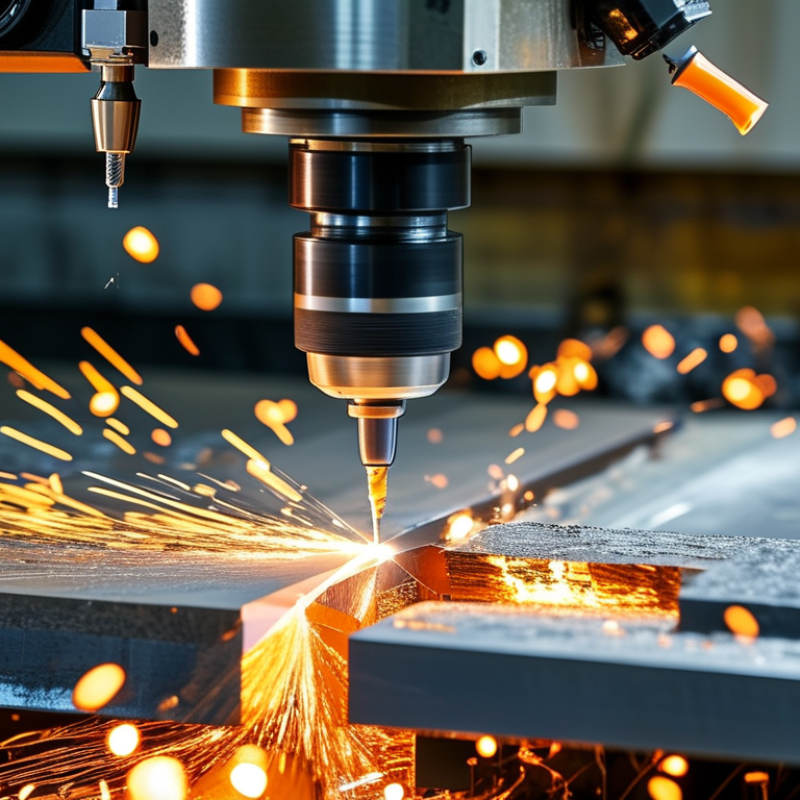
Definition and Purpose of a Metal Cutting CNC Machine
What Is a Metal Cutting CNC Machine?
Definition and Purpose of a Metal Cutting CNC Machine
A metal cutting CNC machine is a computer-controlled system that removes material from metal parts. CNC means computer numerical control. Digital instructions guide the cutting tool along programmed paths. The machine can perform milling, turning, drilling, and related operations. It works with materials such as aluminum, steel, brass, and titanium.
Its main purpose is to produce accurate components with repeatable dimensions. A machinist loads a digital drawing, selects suitable tools, and sets cutting parameters. The machine then follows coordinates across multiple axes. For example, a milling cutter may create holes, slots, or flat surfaces in a steel block. Coolant reduces heat and carries chips away from the cutting area. Proper clamping also prevents vibration and dimensional errors.
In practical workshops, CNC cutting improves consistency between production batches. It can also reduce manual handling and shorten machining time. However, the result depends on more than the program. Tool wear, incorrect speeds, poor workholding, and measurement mistakes still cause defects. I have seen a nearly correct setup produce a visibly rough edge after several parts. That small failure matters. Operators should inspect critical dimensions with calibrated measuring tools. They should also review simulations, secure the workpiece, and follow documented safety procedures. CNC technology is precise, but it is not self-correcting.
How the CNC Metal Cutting Process Works
What Is a Metal Cutting CNC Machine?
How the CNC Metal Cutting Process Works
A metal cutting CNC machine removes material through programmed tool movement. The process begins with a CAD model and a CAM toolpath. The controller then converts coordinates into precise axis movements. Cutting speed, feed rate, and depth of cut must match the metal and tool.
A machinist secures the workpiece, sets the work offset, and checks tool length. The spindle rotates the cutter while coolant carries heat and chips away. For steel, improper heat control can quickly dull an insert. The first cut is rarely perfect. Vibration, workholding, and tool wear still influence the final surface.
The World Steel Association reported 1.89 billion tonnes of crude steel production in 2023. That volume shows why efficient metal processing matters across manufacturing. However, production scale does not guarantee accuracy. ISO 230-2 testing focuses on positioning accuracy and repeatability, which are essential during CNC verification. A practical inspection may use calipers, micrometers, or a coordinate measuring machine. I would not trust the program alone.
Tips: Keep the tool overhang short. Confirm the work offset twice. Use a test cut before expensive material. Watch the chip shape, not only the screen. A clean chip often reveals stable cutting, but not always. Record tool life and measured results after each batch. Small records expose recurring errors.
Common Types of Metal Cutting CNC Machines
What Is a Metal Cutting CNC Machine?
A metal cutting CNC machine uses computer-controlled movements to remove material from metal stock. It follows programmed coordinates, cutting paths, speeds, and tool changes with repeatable accuracy. In workshop practice, operators still inspect the first part carefully. A perfect program cannot correct a poorly secured workpiece.
Common Types of Metal Cutting CNC Machines
CNC milling machines use rotating cutters to create slots, pockets, holes, and flat surfaces. CNC turning machines rotate the workpiece while a fixed tool shapes shafts, pins, and rings. CNC laser cutters produce narrow cuts with focused heat and suit thin or medium sheet metal. Plasma cutters handle thicker steel quickly, although their edges may need finishing. Waterjet machines cut without a heat-affected zone, which helps protect sensitive materials. EDM machines remove conductive metal through controlled electrical sparks. They are useful for hardened steel and intricate cavities. No single type wins every job. That assumption needs reconsideration.
Tips: Match the machine to thickness, tolerance, and edge quality. Check the material certificate before programming. Secure the sheet firmly, then verify the tool path in simulation. Leave a small allowance for finishing when accuracy matters. Measure the first cut with calibrated tools. I still recheck dimensions twice, because heat, vibration, and tool wear can change the result. Endless speed is not always better. A slower feed may deliver a cleaner edge and fewer rejected parts.
Applications, Benefits, and Operating Considerations
What Is a Metal Cutting CNC Machine?
Applications, Benefits, and Operating Considerations
A metal cutting CNC machine uses computer-controlled movement to shape metal with mills, drills, plasma, lasers, or abrasive tools. It follows programmed coordinates with consistent speed and accuracy. In fabrication shops, operators use these machines for brackets, gears, panels, frames, and custom components. They handle steel, aluminum, copper, and other approved materials.
The main benefit is repeatable production. A correctly prepared program can produce matching parts with less manual marking and fewer measurement errors. CNC cutting also supports intricate holes, slots, curves, and profiles that are difficult to create by hand. Material nesting may reduce scrap, especially when many parts share one sheet. Production can become faster. However, speed alone does not guarantee quality.
Operating conditions deserve careful attention. The operator must select suitable tooling, cutting parameters, workholding, and coolant. Thin sheet can vibrate, while thick plate may generate substantial heat. Loose fixtures create poor edges and dangerous movement. I have found that small setup errors often become expensive batches of identical mistakes. Dry runs, tool checks, calibration, and first-piece inspection are practical safeguards. Regular cleaning and maintenance protect accuracy over time. Proper ventilation, guarding, eye protection, and trained supervision remain essential. Some programs also need revision after testing, because real material rarely behaves exactly like a drawing.
What Is a Metal Cutting CNC Machine?
A metal cutting CNC machine uses computer-controlled toolpaths to remove material from a workpiece with repeatable accuracy. Material hardness is an important operating consideration because harder metals generally require greater machine rigidity, suitable cutting tools, and carefully controlled cutting parameters.
Chart note: Values are representative Brinell hardness numbers (HBW) for commonly used material grades and conditions. Actual hardness can vary with alloy, heat treatment, and supplier specifications.