


Request a free quote Phone Icon
die cutting materials

Blog

How to Choose the Right Lockout Station?

Choosing the right Lockout Station is not a matter of buying the largest board or the brightest color. It is a control decision that affects maintenance speed, equipment isolation, and worker safety. OSHA’s Control of Hazardous Energy standard, 29 CFR 1910.147, requires employers to establish procedures, training, and devices that prevent unexpected machine energization. OSHA also reports that effective lockout/tagout practices can prevent an estimated 120 fatalities and 50,000 injuries each year. Those figures make the selection process difficult to ignore.

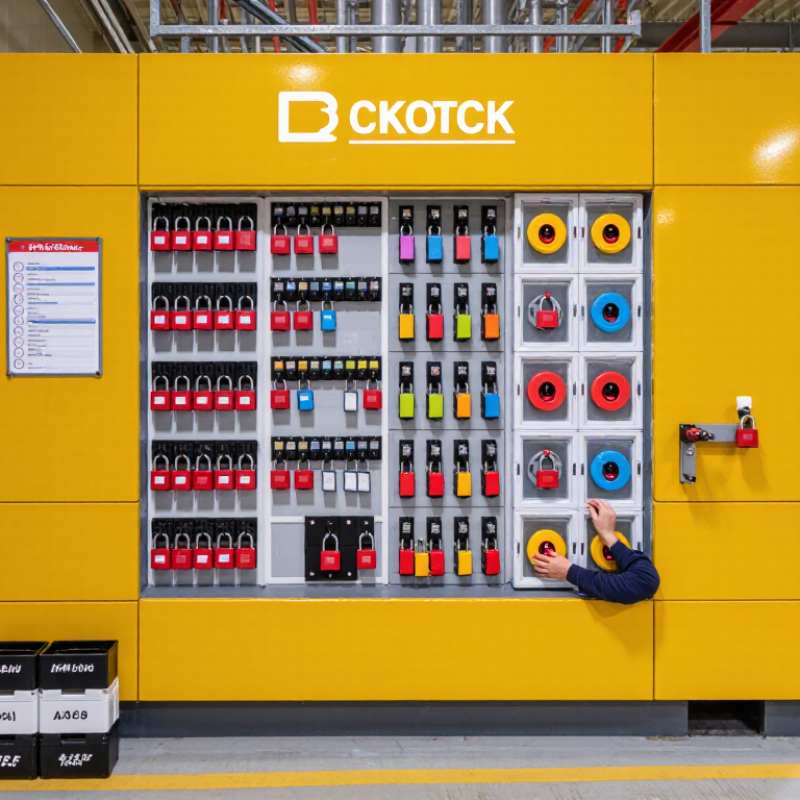
A practical Lockout Station should match the hazards, equipment, and workforce using it. A compact electrical workshop may need personal safety locks, tags, hasps, and circuit-breaker lockouts. A processing plant may require valve covers, cable lockouts, group lock boxes, and multilingual instructions. The station should remain visible, accessible, and close to the isolation points. It should also support routine inspections, damaged-device replacement, and documented inventory checks. A crowded board creates delays. Delays create pressure.

The UK Health and Safety Executive emphasizes suitable isolation, secure locking devices, and clear procedures in its guidance on machinery safety. This supports a broader lesson: storage alone does not create control. The station must fit the site’s written energy-control program and actual work habits. A polished cabinet can still fail if workers cannot find the correct device. Choosing only by price is another common weakness. Before comparing products, review energy sources, shift patterns, environmental conditions, and contractor access. Then test the proposed setup with real maintenance staff. Their feedback may expose problems that a checklist misses. That is where better decisions begin.
How to Choose the Right Lockout Station?

What Is a Lockout Station and Why Is It Important?

How to Choose the Right Lockout Station?

A lockout station is a dedicated storage point for devices used to isolate hazardous energy. It may hold padlocks, tags, hasps, circuit breaker locks, valve covers, and clear instructions. During maintenance, workers need these items immediately, not in a distant cabinet. A well-organized station reduces searching, delays, and unsafe shortcuts. It also shows that energy control is part of everyday work, not an afterthought. Small details matter. Missing tags can weaken an otherwise careful procedure.

The right station should match the equipment, hazards, and number of authorized workers. Review maintenance records, machine layouts, and site procedures before selecting its size. Choose visible, durable storage that resists dust, moisture, and frequent handling. Separate personal locks from shared devices when possible. Labels should remain readable under poor lighting. Clear identification supports training and consistent use. A competent safety professional should verify the station against recognized safety practices and the equipment manufacturer’s instructions. It is easy to choose a large station and assume the problem is solved. That assumption deserves review.

Tips: Count the devices required for one busy maintenance shift. Keep emergency contact information nearby. Inspect the station regularly for empty spaces, damaged hardware, or outdated instructions. Ask workers what they cannot find quickly. Their feedback may reveal weaknesses that an office inspection misses. Recheck the layout after equipment changes. A station that worked last year may no longer fit today’s risks.

How to Assess Workplace Lockout Station Requirements

Assessing workplace lockout station requirements begins with the equipment, not the cabinet. Walk through each production area and identify electrical, hydraulic, pneumatic, thermal, chemical, and mechanical energy sources. Review equipment manuals, maintenance records, and existing risk assessments. Ask authorized employees how isolation actually happens during a busy shift. Their answers may reveal gaps that documents miss.

Count the machines and energy points requiring control. Then match them with suitable locks, tags, hasps, circuit breaker devices, valve covers, and verification tools. A station near a maintenance zone may need more supplies than one serving occasional equipment. Keep emergency contact details and clear procedures nearby. Labels should remain readable under oil, dust, and poor lighting. They matter.

Location also affects reliability. Employees should reach the station without crossing restricted areas or walking around operating machinery. Check whether contractors, night workers, and temporary staff can access the correct supplies. Inspect the station regularly, record missing items, and replace damaged equipment promptly. A simple monthly count helps.

A station can look complete and still fail in practice. During one review, several locks were available, but no suitable device existed for an uncommon valve. That weakness was easy to overlook. Test the process with the people who use it, document their feedback, and adjust the inventory when machinery or work patterns change. Safety teams should verify the arrangement against applicable workplace requirements and manufacturer instructions. Availability alone is not enough.

Which Features and Components Should You Compare?

When comparing lockout stations, start with the hazards and equipment in your workplace. A compact panel may need a few labeled locks, while a maintenance area may require tags, hasps, breakers, valve covers, and cable devices. Count actual users, not just machines. A station that looks full on day one can become inadequate after one shutdown.

Check capacity, visibility, and access at the same time. Clear compartments help workers identify missing components quickly. Large, durable labels should remain readable under dust, oil, and repeated handling. Transparent covers can improve inspection, but glare may hide small parts. That detail is easy to miss. Choose a mounting style that suits the wall, and confirm the fasteners can support the loaded station. For mobile work, a carry case may be more practical than a fixed cabinet.

Material selection matters in real working conditions. Metal can resist impact, while tough polymer designs may reduce weight and corrosion concerns. Compare lock sizes, shackle clearances, and device compatibility before purchasing. A useful station should support your written procedures, not replace them. Include space for updated instructions, inspection records, and emergency contact information. Review the layout with workers who perform isolation tasks; they often notice awkward reach distances or confusing labels first. No station is perfect. Recheck the contents after drills, equipment changes, and lost-item reports. An honest gap analysis is more valuable than a neat-looking cabinet.

How to Select the Right Size, Location, and Configuration

Choosing a lockout station starts with the work, not the wall space. Observe how employees isolate equipment during a normal shift. Count the energy-control procedures, authorized workers, and devices used each day. Include electrical locks, valve covers, tags, hasps, and spare accessories. A small station may look tidy, but it can become crowded quickly. Leave room for seasonal tools and future equipment changes.

Location affects whether the station works under pressure. Place it near the equipment entrance or the recognized isolation area. Workers should reach it without crossing traffic lanes or opening locked cabinets. Keep it visible, dry, and well lit. Avoid placing it behind stored materials. A clear label helps, especially when several machines share one room. Check the location during shift changes. Noise, congestion, and poor lighting may reveal problems that a quiet inspection misses.

Configuration should match the site’s actual procedures. Use separate spaces for locks, tags, hasps, and specialized devices. A document holder can keep procedures clean and available. Group lockout work may require a dedicated section for shared locks and control records. Choose strong mounting hardware for vibration, dust, or outdoor exposure. Review the station after drills and maintenance events. It may need adjustment. I have seen stations designed perfectly on paper but ignored in practice because workers walked twenty meters farther than expected. A practical setup is not always the most attractive one.

How to Install, Organize, and Maintain a Lockout Station

When selecting a lockout station, start with the work, not the cabinet. Walk through each hazardous energy control point with maintenance staff. Note the machines, isolation devices, and tools used during shutdowns. Choose a station with enough capacity for daily needs and future additions. Mount it near the work area, at eye level, and away from heat, moisture, and vehicle traffic. Do not hide it.

Install the station on a solid, visible surface. Use clear labels for locks, tags, hasps, testing devices, and spare supplies. Arrange equipment by task or machine type, so workers can find items quickly. Keep personal locks separate from group lockout equipment. A simple layout reduces searching and rushed decisions. However, a perfect arrangement rarely lasts. New equipment may expose gaps in the original plan.

Inspect the station at least weekly. Check for cracked tags, missing locks, faded instructions, and damaged hardware. Record shortages before they affect a shutdown. Replace questionable items immediately, rather than storing them “for later.” Review the station after equipment changes, near misses, or worker feedback. Short practice drills can reveal confusing labels or poor placement. Ask users what slows them down. Their answers may challenge your assumptions. Clean, complete, and current equipment supports safer energy control.