


As we approach the Canton Fair 2026, the spotlight shines brightly on emerging Garage Door trends. The event, running from April 15 to May 5, will feature a variety of innovative products and solutions. With advanced manufacturing at the forefront, local and international manufacturers will showcase their latest garage door designs and technologies. Expect to see a wide range of materials and functionalities that prioritize safety and convenience.
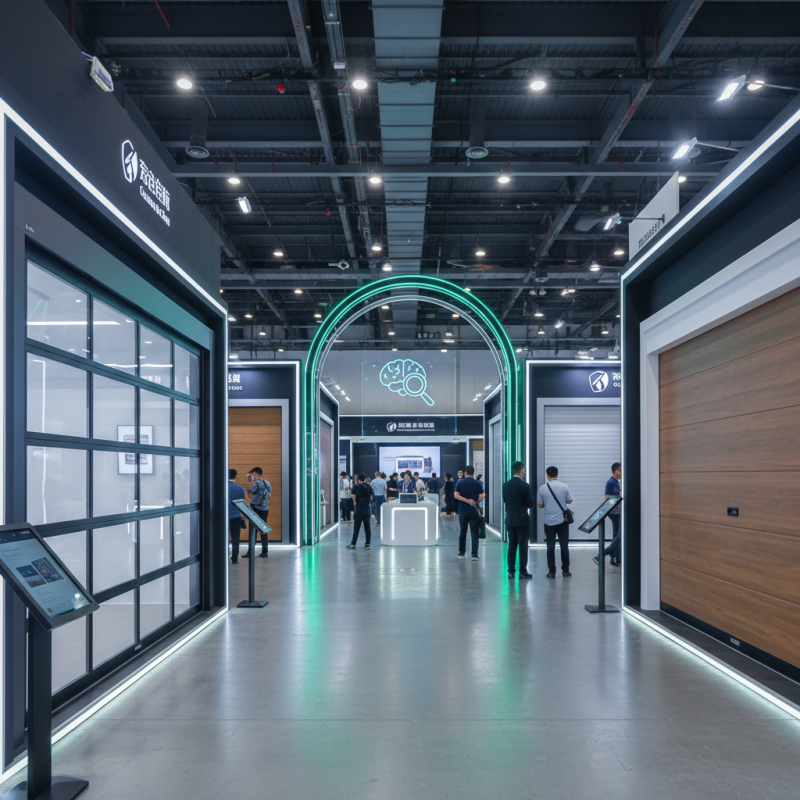
AI technology is transforming how buyers interact with suppliers. Attendees can utilize AI search tools that help them identify the best garage door options. These advancements may lead to faster decisions and better matches for their needs. The introduction of smart navigation also optimizes the experience, allowing buyers to efficiently explore the vast exhibition space.
Yet, challenges remain within the industry. As trends shift, manufacturers must also consider sustainability. The push for energy-efficient garage doors is growing. Reflecting on these developments at the Canton Fair is vital. Innovations should not only focus on aesthetics but also on responsible practices. Garage door makers must adapt or risk being left behind.
As the Canton Fair 2026 approaches, garage door trends are evolving. A significant focus is on emerging materials. Sustainability and durability are now essential features for modern garage doors. Manufacturers are exploring eco-friendly options that reduce environmental impact. Recycled materials are gaining traction. They offer a chance for innovation in design while supporting a greener planet.
Another trend involves composite materials. These blends often showcase impressive strength. They resist warping and damage, making them ideal for harsh climates. However, not all composites are created equal. Some may lack the longevity promised. Choosing the right materials requires careful consideration and research. Ironically, as we prioritize sustainability, we must remain vigilant about quality. Each material has a story; some may not withstand time. Thus, the journey towards the perfect garage door is still unfolding.

This chart illustrates the top trends in garage doors expected to be showcased at the Canton Fair 2026. The "Popularity Index" reflects the anticipated demand and interest in each trend, highlighting the industry's shift towards sustainability, technology, and design innovation.
Modern garage doors are evolving with innovative smart technology features. As we approach the Canton Fair 2026, it's crucial to explore these advancements. Reports indicate that the smart garage door market will grow significantly, reaching an estimated $12 billion by 2027. This growth points to the rising demand for automation and security in homes.
Many modern garage doors now come equipped with smartphone connectivity. Users can open or close their doors remotely. Some systems even allow for integration with smart home hubs, providing seamless control of multiple devices. However, not all systems work perfectly. Connectivity issues can sometimes frustrate users and lead to security risks. Additionally, the installation process can be complex, requiring professional help for optimal functionality.
Energy efficiency is another critical aspect of these smart garage doors. Many models offer insulated options, helping to regulate garage temperature and reduce energy bills. Yet, manufacturers must address some inefficiencies reported in various models. Feedback indicates that some doors can still lead to energy loss. Consumers need to evaluate options carefully, considering both smart features and energy performance. With these innovations, the future of garage doors looks promising, yet challenges remain.
| Trend | Description | Key Feature | Expected Impact |
|---|---|---|---|
| Smart Technology Integration | Integration with home automation systems for seamless control. | Mobile App Control | Increased convenience and monitoring. |
| Energy Efficiency | Use of insulated materials to improve energy savings. | High R-Value Insulation | Lower energy bills for homeowners. |
| Sustainable Materials | Use of recyclable or sustainably sourced materials. | Eco-friendly Options | Appeals to environmentally conscious consumers. |
| Enhanced Security Features | Advanced locking mechanisms and alert systems. | Smart Locks and Sensors | Increased safety for properties. |
| Aesthetic Customization | Options for personalized designs and colors. | Varied Finishes and Colors | Enhanced curb appeal for homes. |
| Automatic Opening Mechanisms | Doors that open automatically as vehicles approach. | Proximity Sensors | Greater convenience for users. |
| Smart Monitoring Systems | Real-time status updates sent to smartphones. | Live Feed Cameras | Improved peace of mind for homeowners. |
| Noise Reduction Technology | Designs aimed at reducing operational noise. | Soundproofing Features | Improved comfort for homeowners. |
| Low Maintenance Options | Materials and designs requiring minimal upkeep. | Durable Materials | Cost savings on repairs over time. |
| Integrated Lighting Solutions | Built-in lighting that illuminates the driveway. | LED Lighting | Enhanced safety and visibility. |
The garage door industry is evolving rapidly, with customization options becoming increasingly important. According to a recent industry report, nearly 70% of homeowners prioritize unique designs when selecting garage doors. This trend reflects a shift toward personal expression and aesthetic appeal. Many homeowners are looking for doors that complement their home's architecture.
Popular styles now include minimalist designs and rustic finishes. These aesthetics resonate well with modern and traditional homes alike. Custom color options are also on the rise, giving homeowners the ability to match their garage doors with exterior paint schemes. According to the latest data, 55% of homeowners are willing to pay more for personalized features.
However, there are challenges in meeting diverse consumer demands. Some manufacturers struggle with inventory management for customized options. The trend towards sustainability also adds complexity, as green materials may not always align with design aspirations. These factors highlight the need for flexibility and innovation in production processes. As trends evolve, the importance of agility in the garage door sector cannot be overstated.
As we approach the Canton Fair in 2026, energy efficiency standards are set to take center stage in garage door solutions. The demand for more eco-friendly options continues to grow. Homeowners seek products that reduce energy consumption and lower utility bills. This trend reflects a broader commitment to sustainability in construction.
The garage door industry is responding with innovative designs. Insulated doors are becoming more popular, offering better thermal performance. The use of advanced materials is essential. These materials not only enhance insulation but also resist wear and tear. However, some products still fall short of expectations. Not all manufacturers are on board with these sustainable practices.
Moving forward, we must reflect on the industry's challenges. Balancing innovation with affordability remains difficult. Consumers want quality, but cost is always a factor. As regulations become stricter, some companies may struggle to keep up. The path to meeting energy efficiency standards is not yet clear. Yet, it's a journey worth pursuing.
As we approach the Canton Fair 2026, consumer preferences are evolving. Recent reports indicate that the global garage door market is expected to grow at a CAGR of 5.2% from 2023 to 2030. This growth reflects a rising demand for energy-efficient and smart garage door solutions. Many consumers prioritize functionality alongside aesthetics.
Buyers increasingly seek customizable options. Reports show that over 40% of buyers prefer tailored designs. This trend underscores the shift towards personalization in the garage door industry. However, not all manufacturers are equipped to meet these personalized demands. This gap may present challenges as companies strive to adapt to market needs.
Sustainability is becoming a focal point. Consumers are now more inclined to choose eco-friendly materials. A survey revealed that 65% of respondents are willing to pay more for sustainable products. This preference creates pressure on manufacturers to innovate. Balancing eco-friendliness with affordability remains a complex issue for many businesses in the sector.