Essential Hose Clamp Tips for Efficient Procurement Guide?
In the competitive world of manufacturing and construction, efficient procurement of Hose Clamps is crucial. Expert David Chen, a leading figure in the Hose Clamp industry, states, "Choosing the right Hose Clamp can save time and resources." This highlights the importance of careful selection and sourcing.
Procurement teams must understand the different types of Hose Clamps available. There are various materials and designs, and each serves a specific purpose. Failure to select the appropriate clamp can lead to issues like leakage or structural failure. Manufacturers need reliable and durable Hose Clamps to ensure quality in every project.
Attention to detail in the procurement process matters. It’s vital to consider not just price, but quality and compatibility with existing systems. Sometimes, cheaper options can lead to long-term costs due to failures. Thus, organizations must reflect on their current practices and continuously seek improvement in their Hose Clamp procurement strategies.
Understanding Hose Clamp Types and Their Applications
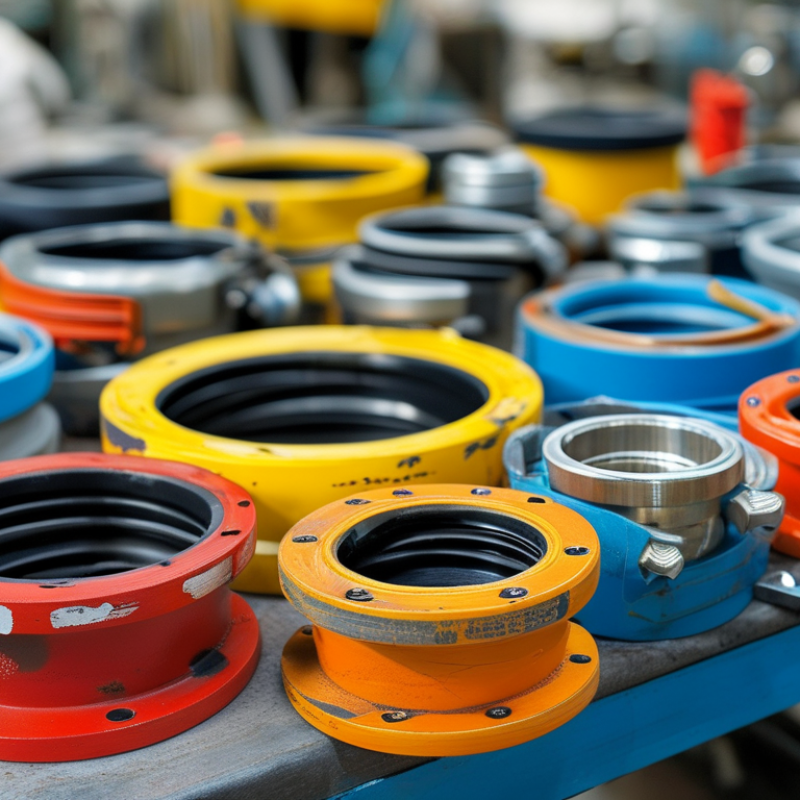
Hose clamps play a crucial role in various industries, securing hoses and tubes to fittings. Understanding the different types of hose clamps helps in making informed procurement decisions. There are several common varieties: worm gear, spring, and wire clamps. Each type has distinct applications based on factors like material, pressure requirements, and environment.
Worm gear clamps are widely used due to their adaptability. They are effective in high-pressure applications and are easy to install. Reports indicate that these clamps have a market share exceeding 30% in the global hose clamp industry. On the other hand, spring clamps provide constant tension but can be less reliable in high-pressure systems. Their design allows for thermal expansion, making them suitable for automotive applications.
Industry analysis shows that improper clamp selection can lead to leaks and equipment failures. Even top manufacturers experience challenges with
quality control. Some clamps fail under extreme conditions, highlighting the necessity for thorough testing and selection. The diversity in hose clamp types means that each application may not have a one-size-fits-all solution. Hence, one must weigh costs against performance and reliability for the best outcomes.
Key Factors Influencing Hose Clamp Material Selection
When selecting materials for hose clamps, several key factors come into play. First, the working environment is crucial. For instance, clamps in high-temperature settings require materials that can withstand heat without deforming. Stainless steel is often preferred due to its corrosion resistance and durability. However, it’s essential to consider the specific type of stainless steel; not all grades perform equally under stress.
Another significant factor is the chemical exposure the clamps will face. If clamps will contact harsh chemicals, using materials designed for chemical resistance is vital. This can often lead to a compromise in mechanical strength. For instance, polyamide (nylon) clamps can be effective but may not support heavy loads. It's important to weigh the pros and cons carefully.
Lastly, ease of installation should not be overlooked. Some materials may offer better flexibility, allowing for easier adjustment and installation. However, if a clamp is too flexible, it may not provide the required grip. Finding the right balance between flexibility and strength often requires careful consideration and experience. Users should reflect on their specific needs to make the best choice.
Essential Hose Clamp Tips for Efficient Procurement Guide
| Material Type | Corrosion Resistance | Temperature Range (°C) | Application Suitability | Cost Level |
| Stainless Steel | High | -200 to 400 | Automotive, Industrial | Medium |
| Zinc-Plated Steel | Moderate | -20 to 100 | Light-Duty Applications | Low |
| Nylon | Low | -40 to 80 | Electrical Applications | Medium |
| Rubber | Very Low | -30 to 60 | Hoses & Low-Pressure Systems | Low |
| Titanium | Very High | -250 to 600 | Aerospace, Marine | High |
Evaluating Hose Clamp Sizing and Compatibility Standards
Hose clamps are critical components in various applications. Selecting the right size is vital for effective performance. Accurate sizing ensures a secure fit, preventing leaks and failures. Different materials and designs support different functions. Each type has unique compatibility standards that must be met.
When evaluating hose clamps, measuring the diameter of the hose is essential. A snug fit around the hose is necessary. If the clamp is too loose, it won't hold. If too tight, it could damage the hose. Always consider the material of both the clamp and the hose. Different materials react differently to pressures and temperatures.
It's easy to overlook the specifications. Minor discrepancies can lead to significant issues. Compatibility with fittings and the operating environment is crucial. Regular reviews and adjustments may be needed as conditions change. Being vigilant about these factors can improve overall efficiency in use.
Best Practices for Supplier Selection and Procurement Efficiency
When considering supplier selection for hose clamps, it's vital to assess both quality and reliability. Industry reports indicate that 70% of procurement professionals identify supplier quality as a top priority during selection. Evaluating suppliers through audits and product trials can provide valuable insight. This process can help discern the minimum standards acceptable for your specific needs.
Cost-effectiveness often drives decisions. However, balancing price with quality can be challenging. Research reveals that low-cost suppliers often compromise material quality, leading to higher long-term expenses. A 2019 study highlighted that companies that prioritize quality over cost experience a 30% reduction in product failures. Engaging with suppliers who have sound quality control systems reduces risks and increases efficiency.
Communication is crucial throughout the procurement process. Regular check-ins and feedback loops eliminate misunderstandings and enhance collaboration. Nearly 50% of procurement failures stem from poor communication with suppliers. Establishing clear expectations can lead to smoother operations and more reliable deliveries. Remember, not all suppliers will meet quality standards or timelines consistently. Addressing these variables is essential for successful procurement.
Cost-Effective Strategies for Bulk Procurement of Hose Clamps
When considering bulk procurement of hose clamps, cost-effectiveness is crucial. Reports indicate that companies can save up to 30% by purchasing in larger quantities. This strategy reduces per-unit costs and can optimize inventory levels. Buyers often find that the upfront investment yields significant savings over time. In an industry where pricing fluctuates, locking in a bulk rate guarantees stability.
Another important aspect involves supplier relationships. Building strong partnerships can secure better deals and improve negotiation power. According to market research, almost 40% of procurement professionals cite reliable suppliers as a top priority. A solid partnership leads to better communication, ensuring timely deliveries and lesser chances of stockouts.
Some companies, however, fail to assess the reliability of suppliers comprehensively. It's vital to conduct thorough evaluations.
Additionally, evaluating alternative materials can lead to cost reduction. While stainless steel clamps are popular, different materials might serve specific needs better. This approach requires careful consideration of durability versus cost. Almost 25% of procurement decisions overlook this vital analysis. Rethinking material choices could result in unexpected savings. Thus, a nuanced approach to procurement is essential for reaping the best outcomes.