How to Choose the Best Micro CNC Milling Machine for Your Projects?
Choosing the best micro CNC milling machine can be a daunting task. Many factors influence this decision. Quality, precision, and capabilities are key considerations.
When selecting a micro CNC milling machine, consider your project requirements. The machine should meet your specific needs. Look for features that enhance usability. Details such as spindle speed and work area size matter significantly. Novice users may feel overwhelmed; that’s normal.
Reflect on your budget and intended use. Sometimes, the cheapest option is not the best choice. Investing a little more can yield better results. Think carefully about what you truly need. Ultimately, finding the right micro CNC milling machine requires time and patience.
Understanding Micro CNC Milling Machines: An Overview
Micro CNC milling machines have gained popularity in various industries. These compact tools offer precision machining in a small footprint. According to a recent industry report, the global CNC machine market is projected to reach $100 billion by 2025, driven by increased demand for automation. Micro CNC systems cater to a niche audience, providing superior accuracy for intricate parts. They can be useful for prototyping and small production runs.
Understanding these machines involves knowing their capabilities. Most micro CNC milling machines operate on a three-axis system, allowing for detailed designs. However, not all machines are created equal. Some may struggle with torque or power, leading to inefficiencies. It's crucial to assess material compatibility as well. Many entry-level options might lack the stability needed for harder materials, resulting in poor finishes and increased wear.
Another consideration is software compatibility. User-friendly interfaces are essential for optimal operation. Yet, some machines provide outdated software, complicating workflows. Keeping this in mind, users should evaluate their long-term needs. Choosing the right machine can significantly impact project outcomes. Investing in a quality machine now can prevent costly mistakes later. Thus, thorough research is vital to make informed choices.
Key Features to Consider When Selecting a Micro CNC Milling Machine
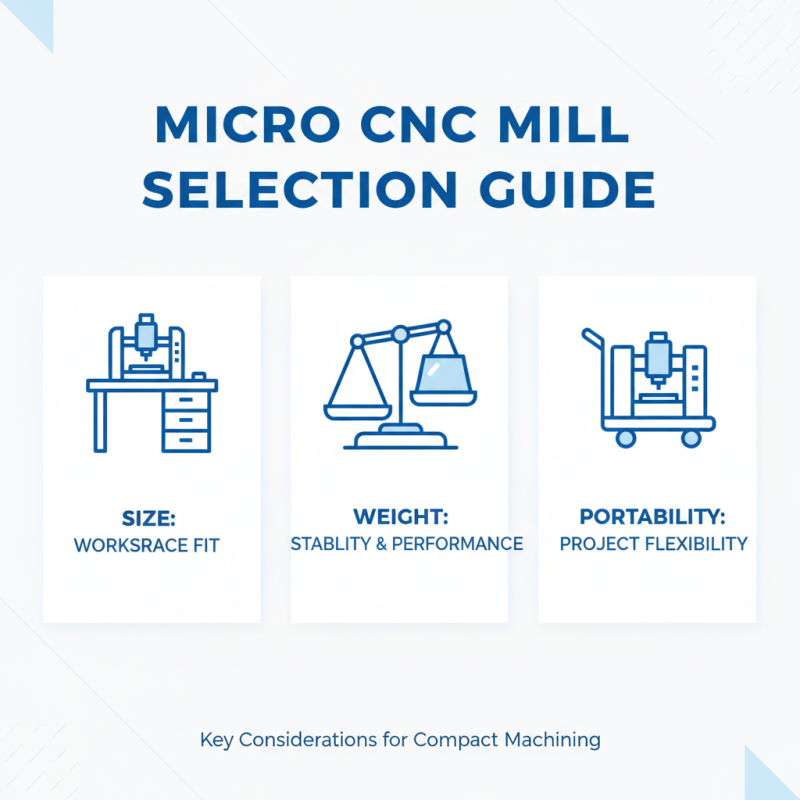
When selecting a micro CNC milling machine, several key features matter. Size is critical. Ensure it fits your workspace. A compact machine can make a big difference. Weight also plays a role. Heavier machines often provide consistent performance. This is something to consider carefully. Remember, portability might also be important for your projects.
Next, consider the spindle speed. Higher speeds enable finer milling. Look for a range that suits your materials. A machine with adjustable speeds can offer adaptability. The control system is another vital feature. An intuitive interface can save time. It can be frustrating to work with complicated settings. Ease of use influences your design workflow.
Lastly, reflect on the machine’s precision. Check the specifications for repeatability and accuracy. A small margin of error can lead to big issues in your work. Sometimes, the perfect figure on paper doesn't translate well in practice. Always read reviews and gather user feedback before making a decision. This will help clarify any doubts you may have.
Assessing Your Project Requirements for the Ideal Micro CNC Milling Machine
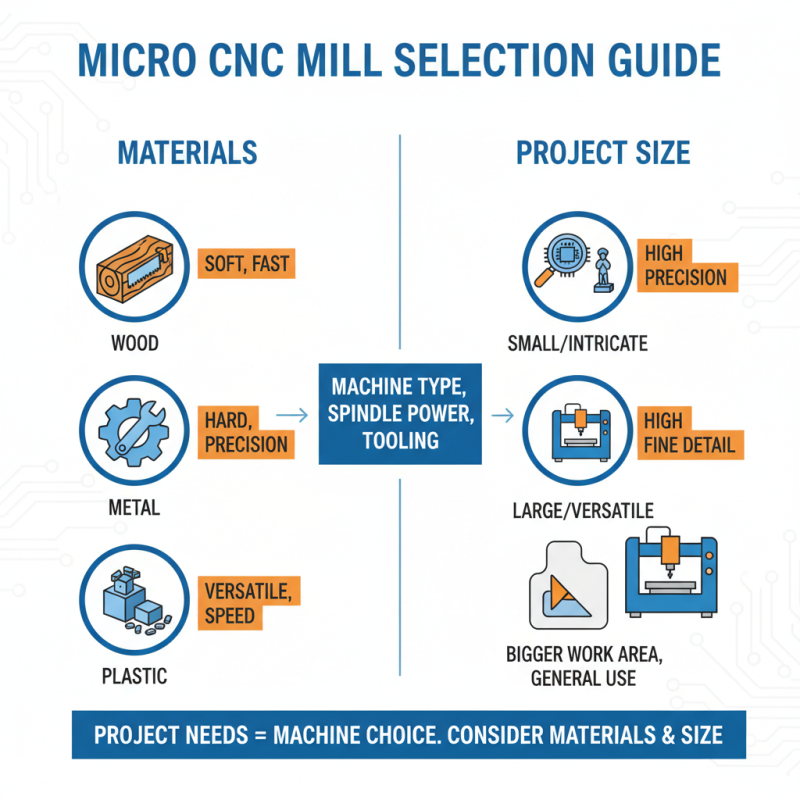
When selecting a micro CNC milling machine, project requirements play a critical role. Start by identifying the materials you will work with. Are they wood, metal, or plastic? Different machines handle various materials differently. This can affect the machine's precision and speed. Also, consider the size of the projects you plan to undertake. Smaller machines are ideal for intricate designs, while larger machines offer more versatility.
Another factor to assess is your experience level. A complex machine may seem appealing but could lead to frustration. Beginners might struggle with advanced features. Reflect on your comfort level with technology. Simpler models often yield better results for newcomers. It's also smart to check the machine's capabilities against your project plans. Sometimes, a more affordable option meets your needs perfectly. Overestimating your requirements can lead to unnecessary spending.
Remember, the ideal micro CNC milling machine should align with your project goals. Constantly revise your criteria as your skills evolve. Experiment, make mistakes, and learn. The right machine enhances creativity but requires thoughtful consideration. Balancing ambition with practicality is essential for a satisfying experience.
Comparing Popular Brands and Models of Micro CNC Milling Machines
When choosing a micro CNC milling machine, understanding the available options is crucial. Popular models in the market vary significantly in precision, speed, and software compatibility. Some machines excel in intricate designs, while others focus on speed and efficiency. Research from industry reports indicates that nearly 75% of users prioritize precision when selecting their machines. However, specifics about your projects can shift that focus.
Tips for selection: Consider the materials you’ll work with. Some machines handle metals better than plastics. Compatibility with software also matters. Many users report issues when their milling machines aren’t synced with their design programs. Don’t overlook the learning curve. Some models may require more time to master.
Another point to note is the available support and community. An active user community can provide invaluable tips and troubleshooting advice. According to surveys, 60% of users feel more confident when they join forums specific to their machinery. Reflect on your needs, and remember that the most expensive option isn’t always the best. Sometimes, simplicity leads to better results.
Comparison of Micro CNC Milling Machines by Key Features
Budgeting and Cost Considerations for Micro CNC Milling Machine Purchases
When considering a micro CNC milling machine, budgeting is crucial. The price range can vary widely. A basic model might cost around $500, while high-end options can exceed $5,000. A report from the CNC Research Institute points out that the average small business spends about $2,000 on CNC machinery annually. This means careful planning is essential.
Don’t forget the hidden costs. Maintenance, tooling, and software can add up. Many users overlook the need for advanced software, which can cost an additional $300 to $1,200. There's also the cost of consumables, which typically runs at 10-20% of total equipment costs annually. The relevance of these costs cannot be overstated.
Additionally, think about your specific needs. A milling machine with advanced features may not be necessary for simple projects. Reflect on what you truly require versus what is nice to have. The right decision often involves balancing your budget with your project demands. An informed choice today can prevent overspending tomorrow. Be realistic about your capabilities and project scope.