How to Choose the Best Silo Roll Forming Machine for Your Needs?
Choosing the right silo roll forming machine can significantly impact your business. It’s crucial for maximizing efficiency and production quality. Understanding the key features and specifications is essential. Many buyers overlook specific details that can make a big difference in performance.
A reliable silo roll forming machine will streamline your operations. However, not all machines are created equal. The market offers various options, each with unique advantages and challenges. It’s vital to assess your needs carefully. A machine that works for one company may not suit another’s requirements.
Consider factors such as production volume and material type. Analyze the durability and technology of the equipment too. Don’t rush this decision. Invest time in research and expert consultation. A well-informed choice can lead to better productivity and enhanced profits. Yet, it's normal to feel overwhelmed by the options available. Reflect on your specific goals and capabilities before making a commitment.
Understanding Silo Roll Forming Machines: Key Features and Benefits
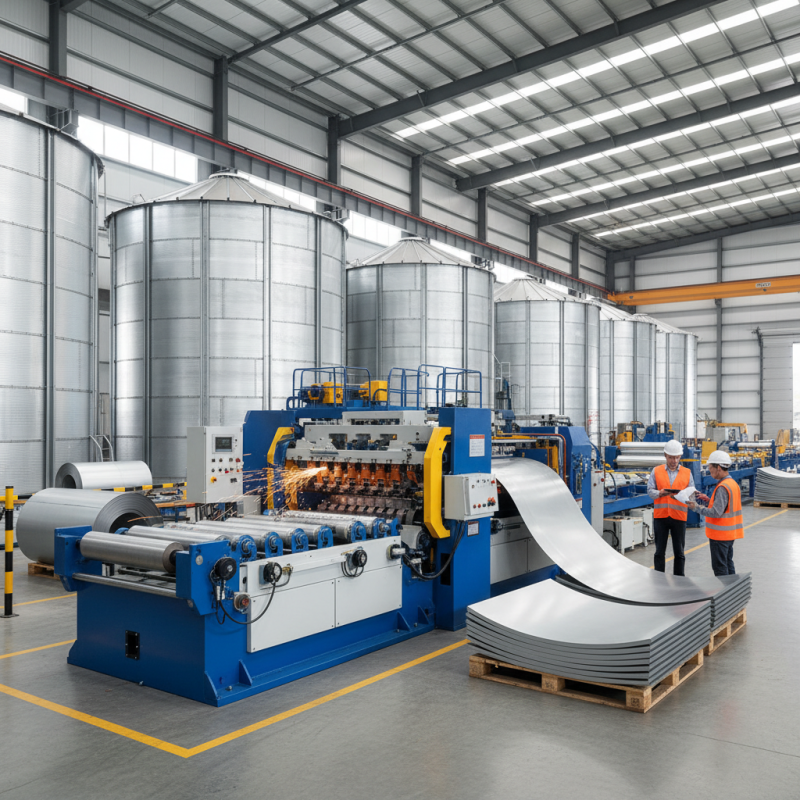
Silo roll forming machines play a critical role in the agriculture and construction sectors. These machines create sturdy, customized silo structures that can store bulk materials efficiently. Key features include versatility, speed, and precision. The right machine can boost productivity and reduce material waste significantly.
Understanding the benefits is essential. A reliable rollout can lead to improved storage solutions. Industry reports indicate that efficient roll forming can increase production speed by up to 30%. Accurate cutting and shaping enhance structural integrity. Efficiency in this equipment is not merely a statistic; it reflects better operational cost management and longevity of the silos produced.
Tips: Choose machines that offer adjustable settings for various materials. This flexibility can make a significant difference in production. Regular maintenance is crucial. Neglecting it can lead to expensive downtimes. Additionally, consider investing in technology that provides real-time data on performance. This can help make informed adjustments for continuous improvement.
Evaluating Production Capacity: Choosing the Right Output for Your Needs
When evaluating production capacity for a silo roll forming machine, precise calculations are crucial. Consider your business's output requirements. How many silos do you need per week or month? This number directly impacts the machine's specifications. If your demand fluctuates, choose a machine with adjustable output capabilities.
The material thickness plays a significant role too. Thicker materials may require slower production speeds, while thinner options can allow for faster cycling. Analyze the trade-offs carefully. Balancing speed and quality is essential. Ask yourself—does faster output compromise the final product?
It's also worth noting that overestimating your needs can be costly. An oversized machine may lead to underutilization and wasted energy. Conversely, an undersized machine can hinder your growth potential. Reflecting on past projections can help make better decisions now. Strive for a balance that meets immediate needs while allowing for future scalability.
Materials and Thickness: Selecting the Optimal Specifications for Silo Production
When choosing a silo roll forming machine, the material and thickness are critical. Steel is commonly used for silos due to its strength and durability. Opting for high-grade steel can enhance the longevity of your silos, but you should also consider cost-effectiveness. Assessing the thickness of the steel is essential; thicker materials can withstand harsh conditions but may increase the overall weight.
Tip: Conduct a stress analysis on your silo needs. This will help determine the optimal thickness for your specific application. If you expect heavy usage, investing in thicker material could result in fewer repairs over time.
Balancing quality and cost is vital. Some manufacturers offer lower-priced options, but they may compromise on material quality. This could lead to issues down the line, such as rust or structural failure. Always inquire about the material specifications used in the forming process.
Tip: Scrutinize the standards and certifications of the materials. Valid certifications can provide assurance regarding reliability. It might be beneficial to consult industry experts for insight into the best practices in material selection for silos.
Technology Insights: Automation and Efficiency in Roll Forming Equipment
When selecting a silo roll forming machine, automation and efficiency are critical factors. Modern roll forming equipment leverages advanced technologies to streamline production processes. According to a recent industry report by MarketsandMarkets, the global demand for automated roll forming machines is projected to increase by 8.2% annually, reflecting the shift towards efficiency and precision in manufacturing.
Automation enhances production speed and reduces manual errors. Integrating sensors and control systems in roll forming machines boosts overall operational efficiency. A study from McKinsey indicated that automation could increase productivity by up to 30%. However, many companies still struggle with the implementation phase. Adjusting to new technology can be challenging for a workforce accustomed to traditional methods.
Moreover, the efficiency of these machines also depends on the materials used. The variability in material quality can impact the final product. A report from the International Journal of Advanced Manufacturing Technology highlighted that improper material selection can lead to up to 20% of production waste. Companies must invest time in research to find the right combinations. Balancing automation with skilled labor remains a challenge that requires careful thought and planning.
How to Choose the Best Silo Roll Forming Machine for Your Needs?
| Feature | Description | Considerations |
| Production Capacity | Amount of material produced per hour. | Select based on your production needs. |
| Material Compatibility | Types of materials the machine can work with. | Ensure it matches the materials you intend to use. |
| Automation Level | Degree of automation in the process. | Higher automation can increase efficiency and reduce labor costs. |
| Energy Efficiency | Energy consumption during operation. | Lower energy costs lead to better long-term investments. |
| Maintenance Requirements | Ease and frequency of maintenance needed. | Consider machines with lower maintenance needs for operational efficiency. |
| Cost | Total investment required for purchase. | Balance between initial cost and expected return on investment. |
| Size and Footprint | Physical dimensions and space required. | Ensure it fits within the operational space available. |
Cost-Benefit Analysis: Balancing Investment and Long-Term Performance
When selecting a silo roll forming machine, consider the long-term performance versus initial costs. A cost-benefit analysis is essential. Reports indicate that investing in higher quality machines can reduce maintenance costs by up to 20%. These machines often have better durability, translating to fewer downtimes and higher productivity.
Tips: Evaluate if lower-priced options may lead to higher replacement costs. A comprehensive assessment can save significant resources in the long run.
Remember, energy efficiency is crucial. The right machine can reduce energy costs, which account for about 30% of operational expenses. Many advanced models offer energy-saving features, making them a wise investment. Consider the total cost of ownership, which encompasses purchase price, maintenance, and operational costs.
In some cases, cheaper machines do not deliver as promised. Research shows that a few manufacturers may cut corners, leading to durability issues. Always ask for customer testimonials and conduct your research before finalizing your choice. Investing time in this phase can prevent costly mistakes later.