What is the Best Carding Machine for Your Needs?
When selecting a **Carding Machine**, one must consider various aspects to meet specific production needs. The global textile machinery market is projected to reach $23 billion by 2025, with carding technology playing a crucial role. A suitable machine can significantly enhance efficiency and product quality.
Different carding machines serve different purposes. Standard models are popular for their versatility, while specialized machines cater to niche market demands. Recent industry reports indicate that up to 60% of textile manufacturers prioritize carding efficiency. Selecting the right machine is not just about brand choice; it requires a deep understanding of the production requirements and input materials.
However, many users face challenges in choosing the right model. Some may not fully leverage features that improve quality or reduce waste. It's essential to reflect on your production goals and evaluate performance needs. Moreover, innovation in carding technology continues to evolve, and staying updated is critical for making informed decisions. A well-chosen carding machine can transform your production line, but it demands careful consideration and reflection on existing practices.
Understanding Carding Machines and Their Importance in Textile Production
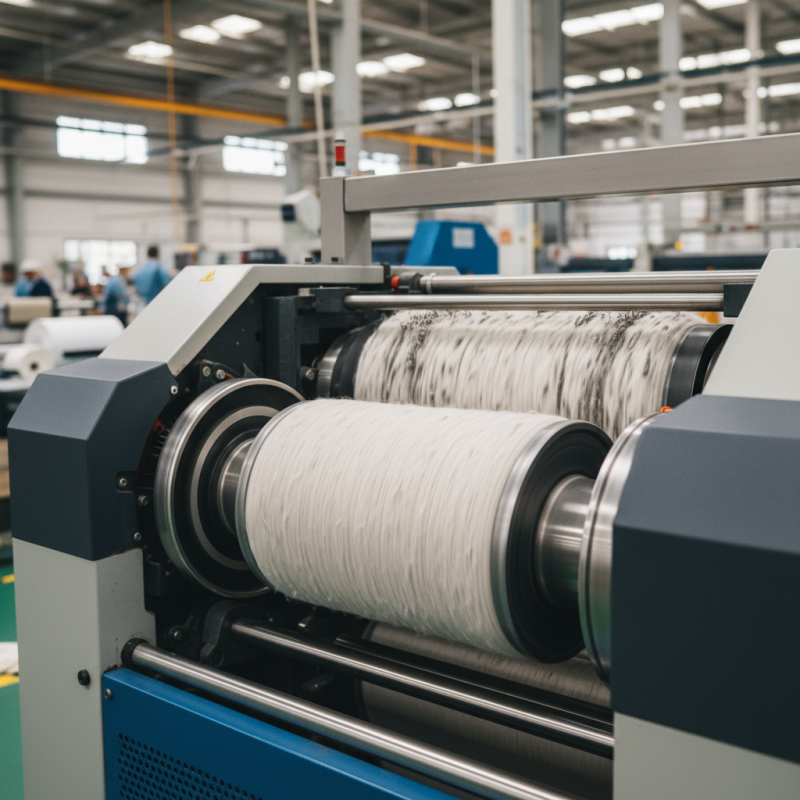
Carding machines are essential in textile production, converting raw fibers into a workable form. They remove impurities and align fibers for spinning. Modern statistics show that carding machines can improve the efficiency of fiber processing by up to 30%. This significant boost highlights their role in the textile industry.
Understanding carding machines is crucial for optimizing production capabilities. High-quality carding leads to better yarn quality, which is fundamental for fabric durability. A report from the International Textile Manufacturers Federation indicates that 60% of production issues arise from inadequate fiber handling. This emphasizes the importance of selecting the right carding machine for specific needs.
Choosing the best carding machine can be challenging. Factors such as fiber type, volume, and end product requirements must be considered. Not all machines are created equal; some may perform better with certain fiber blends. Users often report variability in machine performance, leading to unexpected downtime. An evaluation of advanced models shows a 15% variation in efficiency, signaling the need for careful selection.
Types of Carding Machines and Their Specific Applications
When choosing a carding machine, it’s essential to understand the various types available. Each type serves specific applications, making it crucial to align your needs with the right machine. For instance, there are hand-operated machines, ideal for small-scale operations, and automated machines, suited for large production volumes. Hand-operated models can be an excellent choice for artisans who require precision. In contrast, automated systems enhance efficiency and are perfect for industrial settings.
Consider this: not all fibers will respond similarly to carding processes. Wool, cotton, and synthetic fibers each have unique characteristics. Using the wrong machine can lead to subpar results. Understanding the material at hand will greatly influence your choice of machinery. Always prioritize the types of fibers you plan to work with.
Tip: Look for machines that allow for adjustments in settings. This flexibility can make a significant difference in the quality of the carded product. Additionally, don’t rush the selection process. Evaluate each option thoroughly. Some carding machines may seem ideal but can deliver inconsistent results. Take the time to assess user reviews and reliability. Performing due diligence ensures you make an informed decision.
Key Features to Consider When Choosing a Carding Machine
When selecting a carding machine, consider its capacity and speed. These factors can significantly impact your production efficiency. A machine that can handle a larger volume often reduces processing time. Evaluate your workload to find the best fit. Machines vary widely in speed; some are designed for higher outputs, while others may be more suited for delicate fibers.
Another important feature to assess is the ease of maintenance. Frequent maintenance can lead to downtime. A carding machine that offers accessible parts and clear instructions is crucial for consistent workflow. Additionally, explore the versatility of the machine. Some models handle different fiber types more effectively than others. This flexibility can enhance your overall operations, but not every machine is built the same.
Lastly, ensure the machine’s technology aligns with modern standards. Advanced features can improve consistency and quality. Keep in mind that older models may require more manual intervention, which can be a drawback. Understanding these features allows for a better-informed decision, ultimately improving your production process.
Comparing Popular Brands and Models of Carding Machines
When selecting a carding machine, it's crucial to compare popular brands and models. Each has unique features that cater to different needs. Some machines excel in speed, while others focus on fiber blending. Understanding what you require is essential in making a decision.
Consider the importance of fiber processing capacity. Some models may process larger batches, making them ideal for commercial use. For home-based operations, smaller machines might suffice. Reliability and durability also play a role. A machine that needs frequent repairs can hinder productivity and lead to frustration.
User reviews and expert opinions can provide valuable insights. Look for feedback about ease of use and maintenance. Don’t just follow trends; assess what fits your specific situation. Reflect on your long-term needs versus immediate desires. It’s an important step in ensuring that your investment serves you well over time.
Tips for Maintaining and Optimizing the Performance of Your Carding Machine
Maintaining a carding machine is crucial for optimal performance. Regular checks on the cylinder and carding bars are essential. Data shows that improper maintenance can reduce efficiency by up to 30%. Keeping the machine clean and free of debris helps prevent damage. A clean system allows fibers to move smoothly, leading to better quality yarn.
Lubrication is another key factor. Regularly applying lubricant can extend the life of your machine components. Reports indicate that machines with consistent lubrication can operate 20% longer before significant wear occurs. Operators need to monitor maintenance schedules closely. Neglecting this area could result in costly repairs.
Finally, adapting to environmental conditions is vital. Humidity and temperature affect fiber handling. Machines operated in unsuitable conditions show increased fiber waste. Understanding these variables helps optimize output. Focusing on these maintenance and operational tips can greatly enhance performance and prolong the life of your carding machine.