Top 10 Benefits of Using Flexible Braided Copper Wire for Buyers?
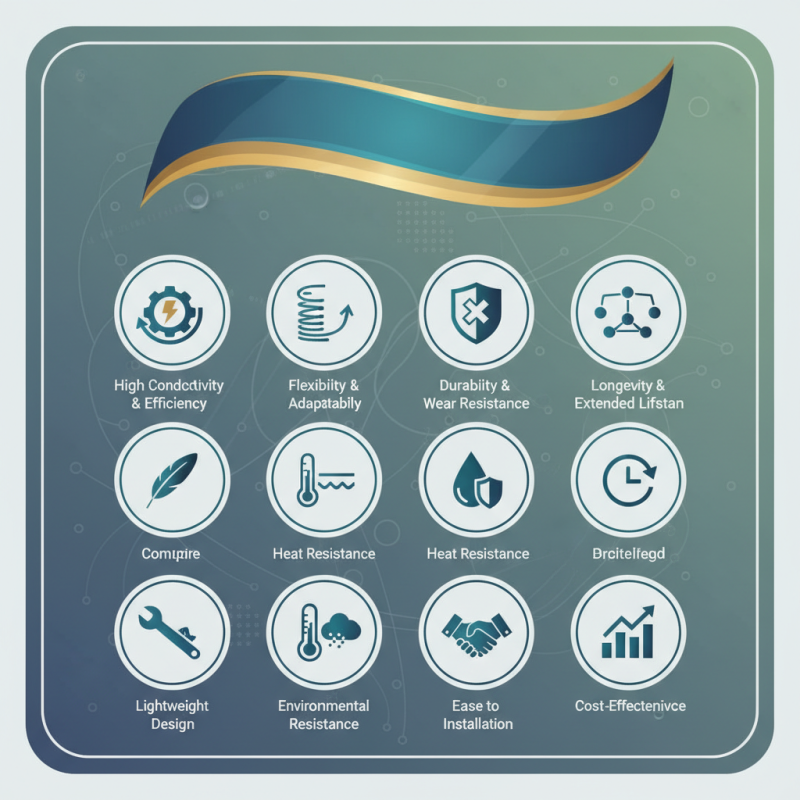
Flexible Braided Copper Wire is increasingly popular in various industries. Its unique properties make it an ideal choice for consumers seeking durability and efficiency. This wire combines flexibility with high conductivity, meeting diverse electrical needs.
Buyers often overlook the advantages of using Flexible Braided Copper Wire. It's important to understand the long-term benefits it offers. From enhancing the performance of electrical systems to ensuring longevity in applications, this material stands out.
Investing in Flexible Braided Copper Wire can lead to significant improvements. Its lightweight design and resistance to wear make it a reliable option. In addition, many users appreciate its adaptability to different environments. However, not all wires are created equal, and buyers must exercise caution in selection.
Understanding Flexible Braided Copper Wire and Its Applications
Flexible braided copper wire is a versatile material widely used in various applications. Its unique structure allows it to bend easily, making it ideal for tight spaces and complex designs. In electrical engineering, it's particularly valued. According to industry reports, flexible braided copper wire can handle high current loads while minimizing resistance, which is essential in power transmission.
Applications in different sectors highlight its importance. In aerospace, for instance, its lightweight nature is beneficial. This wire is often found in aircraft systems, ensuring reliable performance under demanding conditions. Moreover, in the automotive industry, flexible braided copper wire is crucial for battery connections and ground applications. Data from a recent study revealed that such wiring systems can improve overall efficiency by up to 15%.
However, it's essential to consider some challenges. The manufacturing process can sometimes lead to inconsistencies in wire quality. Regular quality checks are crucial to ensure performance. Additionally, while the benefits are clear, users must also be mindful of the environmental impact of copper mining and production. The quest for sustainable sourcing remains a topic of discussion in the industry.
Durability: How Flexible Braided Copper Wire Outperforms Traditional Options
Flexible braided copper wire stands out in durability compared to traditional wire options. Studies show that braided wires can withstand mechanical stress and bending without breaking. According to a recent report from the International Wire and Cable Manufacturers, copper wire's tensile strength is key. Flexible designs provide a longer lifespan, often outlasting hard solid wires. This capability is critical in various applications, from electronics to telecommunications.
Choosing flexible braided copper wire allows for error-free connections. Traditional wires may fail due to fatigue over time. Flexible wires adapt to movement, minimizing wear and tear. Some users have noted a slight learning curve in installation. But the long-term benefits often outweigh these initial challenges. Research indicates that, when used correctly, flexible wires can cut connection failures by up to 30%.
Tips: Regularly check for wear on connections and ensure proper installation techniques. Avoid over-tightening to extend wire life. Also, consider environmental factors such as temperature and humidity when selecting your wire type. Users often underestimate the importance of these factors. Understanding your specific needs leads to better choices, enhancing performance and reliability.
Electrical Conductivity Advantages of Flexible Braided Copper Wire
Flexible braided copper wire offers significant electrical conductivity advantages. Its unique design allows for better connectivity and enhanced performance. This wire can bend and twist easily, making it ideal for tight spaces or irregular setups. The structure, composed of multiple thin strands, provides excellent flexibility while maintaining a robust electrical connection.
When it comes to conductivity, copper is known for its exceptional ability to carry electricity. Flexible braided copper wire excels in minimizing resistance and heat buildup. This feature is crucial in applications requiring high current flow. Reduced energy losses translate into greater efficiency in electrical systems. However, some may overlook the importance of proper insulation to prevent short circuits or electrical failures.
While the benefits are clear, users must consider installation challenges. The wire's flexibility can make precise connections more complex. Any misalignment during installation could lead to performance issues. Awareness of these potential pitfalls is essential for optimal usage. Ultimately, the advantages of this wire type stand out, but careful handling and installation are critical for success.
Ease of Installation and Maintenance for Flexible Braided Copper Wire
Flexible braided copper wire is renowned for its ease of installation. Its pliable nature allows for simple routing around tight spaces. This flexibility means less hassle for installers. They can adapt the wire to various configurations without difficulty. It saves time, improving overall project efficiency.
Maintenance is equally straightforward. The design ensures that any wear or damage is easy to spot. Technicians can quickly access and replace sections without extensive disassembly. However, some users may overlook regular checks, leading to performance issues. It’s crucial to establish a routine for inspections. Doing so allows for early problem detection.
Using flexible braided copper wire does come with challenges. While it offers many advantages, proper handling is vital. Avoid excessive bending to prevent kinks that could affect conductivity. Proper training can enhance installation techniques. Investing in knowledge pays off in the long run. This wire can be a reliable choice when maintained appropriately.
Cost-Effectiveness in the Long Run: Investing in Flexible Braided Copper Wire
Flexible braided copper wire offers significant benefits to buyers. One of the most compelling is its long-term cost-effectiveness. Though the initial investment may seem higher, this type of wire often lasts longer than alternative materials. This durability results in fewer replacements and repairs, ultimately saving money over time.
Using flexible braided copper wire also provides improved efficiency. It conducts electricity better than many other materials. This efficiency translates into reduced energy costs, which is vital for both residential and industrial users. Additionally, its flexibility simplifies installation, making the process quicker and potentially less expensive.
However, it’s worth noting that not all applications require the advanced features of braided copper wire. Buyers should evaluate their specific needs. Sometimes, cheaper alternatives might suffice, even if they lack some benefits. It's essential to weigh these factors to make an informed decision.
Top 10 Benefits of Using Flexible Braided Copper Wire for Buyers