Top 5 Benefits of Electric Fire Engines for Your Fire Department?
The rise of Electric Fire Engines is transforming fire departments worldwide. These innovative vehicles offer numerous advantages that can enhance firefighting efficiency and community safety. Electric Fire Engines are not only environmentally friendly but also come with advanced technology that improves response times.
Fire departments face challenges like budget constraints and maintenance costs. Electric Fire Engines address these issues by reducing fuel expenses and minimizing downtime. Moreover, they contribute to healthier air quality, benefiting both firefighters and the community. While some may question their initial investment, the long-term savings and operational benefits can be substantial.
Implementing Electric Fire Engines requires careful consideration. While the technology is promising, departments need to assess their infrastructure readiness. Additionally, training for firefighters on new equipment is essential. There may be learning curves involved. Embracing this change is not without its hurdles, but the potential rewards make it worthwhile. Choosing Electric Fire Engines signals a commitment to modernization and sustainability in fire services.
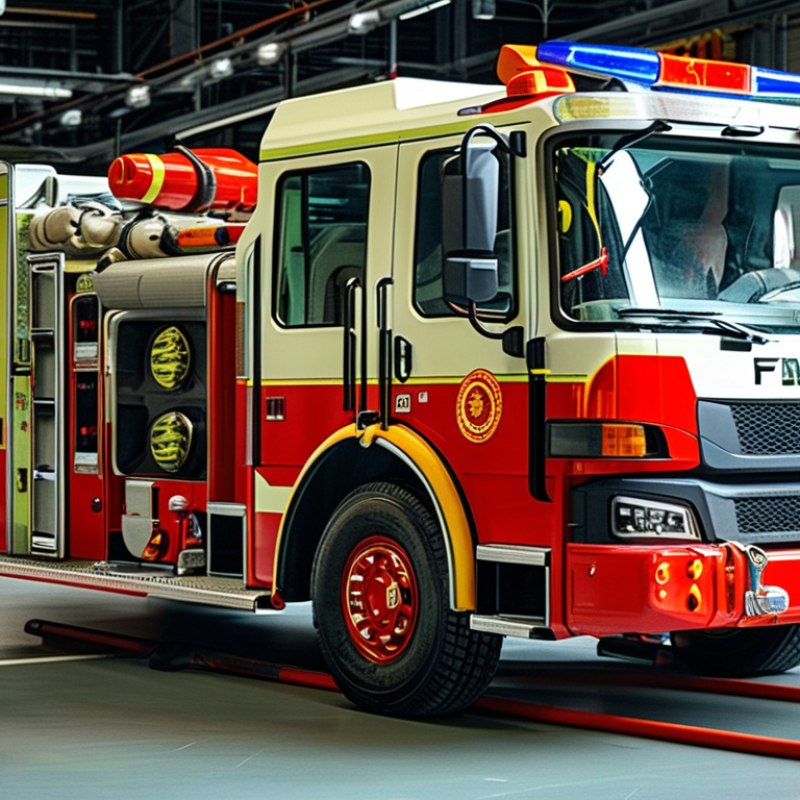
Benefits of Reduced Emissions and Environmental Impact of Electric Fire Engines
Electric fire engines present a significant opportunity for fire departments to reduce their environmental impact. According to the U.S. Environmental Protection Agency (EPA), transportation and fuel combustion contribute significantly to air pollution and greenhouse gas emissions. Electric fire engines, powered by advanced battery technology, emit zero tailpipe emissions, helping to combat this issue on the frontlines.
In cities where air quality is a pressing concern, the transition to electric fire engines can foster healthier environments. A study from the California Air Resources Board (CARB) indicates that electrifying firefighting fleets could reduce emissions by up to 45%. This reduction directly benefits communities, particularly in densely populated urban areas. Moreover, electric engines operate more quietly than traditional models. This quieter operation minimizes noise pollution, which is often overlooked but can affect community well-being.
There are challenges too. The initial investment in electric fire engines is higher than traditional vehicles. Departments must also consider the infrastructure needed for charging stations. Despite these hurdles, the long-term savings in fuel costs and maintenance are undeniable. As fire departments innovate, addressing these issues will be crucial for maximizing environmental benefits and operational efficiency.
Cost Savings on Fuel and Maintenance for Fire Departments Using Electric Engines
The shift toward electric fire engines brings notable cost savings for fire departments. Studies indicate that electric vehicles (EVs) can reduce fuel expenses by up to 60%. With rising fuel prices, this can result in significant savings over time. A recent report by the Department of Energy highlights that electric engines consume less energy per mile compared to traditional diesel engines. Fire departments can allocate these savings to essential training and community outreach programs.
Maintenance costs also decline when transitioning to electric fire engines. Traditional fire trucks have numerous moving parts, leading to higher maintenance and repair expenses. Electric engines, however, have fewer components, thus lowering the frequency of repairs. According to a 2022 National Fire Protection Association study, the maintenance costs for electric vehicles are estimated to be 30% lower than for their gas-powered counterparts.
While the benefits are clear, challenges remain. The initial purchase cost of electric fire engines can be higher. Budget constraints may hinder access to these technologies. Additionally, the transition requires staff training and adjustments to existing protocols. Departments must weigh these factors carefully. Investing in electric fire engines promises long-term savings, but it demands thoughtful planning.
Enhanced Operational Efficiency and Response Times with Electric Fire Engines
Electric fire engines are transforming the firefighting landscape. One of the most significant advantages is their enhanced operational efficiency. According to a study by the National Fire Protection Association (NFPA), electric vehicles can be up to 40% more efficient than traditional diesel engines. This increase in efficiency directly translates to longer operational time and reduced fuel costs.
Response times are crucial for fire departments. Studies indicate that electric fire engines can accelerate faster than their diesel counterparts. An electric engine's torque provides immediate power, allowing firefighters to reach emergency sites quicker. In urban settings, this rapid response capability can mean the difference between life and death. Moreover, electric fire engines often feature advanced technology that aids in real-time data analysis during emergencies.
While the benefits are clear, challenges exist. Charging infrastructure can be limited, making it difficult to maintain consistent operation. Departments need to plan strategically for down times and charging needs. Overall, transitioning to electric fire engines represents progress, yet requires thoughtful implementation and community support.
Top 5 Benefits of Electric Fire Engines for Your Fire Department
Improved Safety Features and Ergonomics in Electric Firefighting Vehicles
Electric fire engines are reshaping the landscape of firefighting. One of the notable benefits is the enhanced safety features they offer. With lower emissions and reduced noise levels, these vehicles create a safer working environment for firefighters. The quiet operation allows for improved communication on the scene, which is essential during emergencies.
Ergonomics play a crucial role in these electric vehicles. The design often prioritizes the firefighter's physical comfort. Controls are intuitively placed to reduce strain during long shifts. This can lead to fewer injuries. The cab space offers adjustable seating and improved visibility. However, some crews may find adapting to new technologies challenging. Training on electric systems is essential for smooth operation.
The overall reliability of electric fire engines is notable. These vehicles require less maintenance due to simpler mechanics. Yet, concerns about battery life in extreme situations remain. The evolution of these engines is promising but requires ongoing reflection and adaptation. Fire departments must weigh the benefits against potential drawbacks.
Top 5 Benefits of Electric Fire Engines for Your Fire Department
| Benefit | Description | Impact on Operations |
| Improved Safety Features | Electric fire engines come with advanced safety features such as enhanced visibility, automatic braking systems, and better stability. | Reduces the risk of accidents during operations, protecting both firefighters and civilians. |
| Ergonomic Design | Designed with ergonomics in mind, allowing firefighters to operate equipment with reduced physical strain. | Enhances firefighter efficiency and reduces the likelihood of injury. |
| Lower Operating Costs | Electric engines often have lower fuel and maintenance costs compared to traditional diesel engines. | Increases budget efficiency, allowing for reallocation of funds to other critical areas. |
| Reduced Emissions | Electric fire engines produce zero tailpipe emissions, contributing to a healthier environment. | Promotes sustainability and improves air quality in communities. |
| Quieter Operation | Electric motors operate much quieter than combustion engines, reducing noise pollution. | Enhances communication during emergencies and minimizes disturbances in residential areas. |
Integration of Advanced Technology for Enhanced Firefighting Capabilities
Electric fire engines represent a significant advancement in firefighting technology. They are more than just eco-friendly; they enhance operational efficiency. Their electric powertrains offer instant torque, allowing for quick maneuverability in emergencies. This capability can be crucial when every second counts. The integration of advanced technology in these vehicles includes real-time data analytics. This technology provides firefighters with critical information during incidents, such as structural integrity and environmental conditions.
Tips: Regular training on the new digital tools is essential. Ensure your team is familiar with the latest features. Setting up simulation exercises can build confidence.
Electric engines typically have lower maintenance costs due to fewer moving parts. This reliability is vital for fire departments operating under tight budgets. However, shifting to electric can pose challenges. Not all stations are equipped with charging infrastructure. It's important to assess readiness before making the transition.
Tips: Evaluate existing charging facilities regularly. Consider future needs as technology evolves. Engaging with vendors to understand infrastructure developments can aid in planning.