What is a 300-Type Rotary Powder Compacting Machine?
The 300-Type Rotary Powder Compacting Machine represents a significant advancement in powder metallurgy technology. Its design focuses on optimizing the compaction process, enhancing efficiency and consistency. This machine effectively produces high-density components from metal powders, facilitating the manufacturing of intricate shapes.
Precision is a key feature of the 300-Type Rotary Powder Compacting Machine. It utilizes a rotary mechanism to ensure uniform pressure across the material. The compacting process enables materials to achieve desired properties, such as strength and durability. These machines are found in various industries, highlighting their importance in modern manufacturing.
However, the operation of the 300-Type Rotary Powder Compacting Machine is not without challenges. Factors like material quality and machine calibration can impact performance. Users must continually assess these variables to ensure optimal results. By addressing these issues, manufacturers can improve both their processes and products.
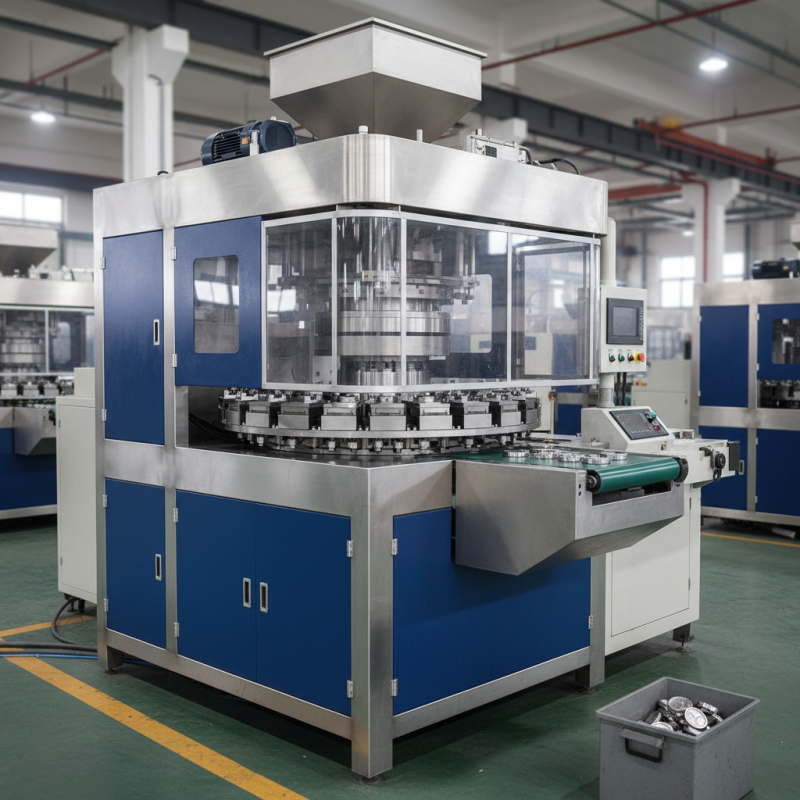
Overview of the 300-Type Rotary Powder Compacting Machine
The 300-Type Rotary Powder Compacting Machine is a specialized piece of equipment. It plays a vital role in material processing. This machine excels in forming powders into solid components. The rotary design enhances efficiency, allowing for consistent pressure application. It works by compressing materials in a controlled manner, which improves product density.
One significant feature is its ability to handle various materials. It can compact metals, ceramics, and other fine powders. The machine operates with multiple molds, enabling the production of different shapes. This flexibility meets diverse industry requirements, making it popular in manufacturing. Users often appreciate how it increases productivity and reduces waste.
Yet, imperfections can arise during operation. Variability in powder quality may affect the final product. Additionally, regular maintenance is crucial, as wear-and-tear can impact performance. Operators must be trained to ensure optimal use. Understanding these nuances can lead to better results and longer machine life.
Key Features and Specifications of the 300-Type Rotary Machine
The 300-Type Rotary Powder Compacting Machine is a vital tool in the manufacturing sector. Its design optimizes efficiency in compacting powder materials into solid forms. This equipment is particularly valued for its ability to create high-density products with uniform thickness.
Key features of the 300-Type include its high production rate and energy efficiency. The machine operates using a rotary mechanism that allows for continuous feeding of powders. This feature significantly reduces downtime. Moreover, it includes adjustable parameters for pressure and speed, making it versatile for various materials. The machine can handle a range of powder types, enhancing its usability.
Tips: Regular maintenance checks are essential. Pay attention to the wear and tear on components to avoid unexpected breakdowns. Ensure that all safety features are functional before operating. This will enhance both safety and efficiency.
Perhaps, some users might overlook the importance of calibration. An improperly calibrated machine can lead to inconsistent product quality. Regular testing of output can help identify issues early. It is crucial to remain vigilant about these aspects to maximize the machine's potential.
What is a 300-Type Rotary Powder Compacting Machine? - Key Features and Specifications of the 300-Type Rotary Machine
| Feature | Description |
| Machine Type | 300-Type Rotary Powder Compacting Machine |
| Dimensions | 1500 mm x 800 mm x 1800 mm |
| Weight | 600 kg |
| Production Capacity | 300 kg/hour |
| Power Consumption | 15 kW |
| Max Pressure | 600 MPa |
| Material Compatibility | Metals, Ceramics, and Composites |
| Control System | PLC with Touchscreen Interface |
| Safety Features | Emergency Stop, Safety Guards |
Operating Principles of the 300-Type Rotary Powder Compacting Machine
The 300-Type Rotary Powder Compacting Machine operates on fundamental principles that enhance its efficiency in compacting powders. This machine utilizes a rotating die system to minimize cycle time. As the die rotates, it aligns individual powder particles evenly. The design ensures that each particle is compacted uniformly, resulting in higher density products.
The process begins when the powder is fed into the machine's hopper. Gravity plays a crucial role in moving the material into the die cavity. Once in place, a piston exerts pressure on the powder. This pressure compacts the material, creating a solid mass. The machine’s speed allows for continuous operation, which is vital in high-demand production environments.
However, not all powders behave the same. Variabilities in particle size and composition can lead to uneven compaction. Operators must regularly assess the setup to ensure optimal performance. Although the design is efficient, achieving consistent quality requires monitoring and adjustments. The 300-Type Rotary Powder Compacting Machine exemplifies a blend of innovation and challenges in powder processing.
Operating Principles of the 300-Type Rotary Powder Compacting Machine
Applications and Industries Utilizing the 300-Type Rotary Machine
The 300-Type Rotary Powder Compacting Machine finds applications across various industries, including metallurgy and ceramics. Its design allows for consistent and efficient powder compaction. This technique is vital in creating uniform products that meet stringent specifications.
In metallurgy, the machine compacts metal powders into precise shapes. This process is crucial for producing high-strength components used in automotive and aerospace sectors. The equipment ensures that each piece achieves desired density and structural integrity. Similarly, in the ceramics industry, it facilitates the production of tiles and porcelain products. The rotary action allows for uniform pressure distribution, enhancing the quality of the final items.
Despite its reliable design, operational challenges can arise. Operators may encounter issues related to powder consistency or machine calibration. These factors can affect the final output quality. Continuous monitoring and adjustments are often necessary to maintain efficiency. Such complexities underline the importance of expertise in operating this machine effectively.
Maintenance and Troubleshooting for Optimal Performance
The 300-Type Rotary Powder Compacting Machine plays a crucial role in industries requiring fine powder compaction. Regular maintenance is essential for optimal performance. Studies indicate that poorly maintained equipment can lead to a 20% drop in productivity, emphasizing the need for effective upkeep.
Daily checks should include inspecting the hydraulic system and ensuring lubrication levels are adequate. Over time, wear and tear on components can lead to inefficiencies. For instance, a misaligned compaction roller can result in uneven compaction and wasted material. Data shows that about 30% of operational issues stem from alignment problems.
When troubleshooting, technicians should perform vibration analysis and thermal imaging. These methods can identify underlying issues before they escalate. Regular training for operators on maintenance practices can improve machine reliability. A focus on best practices can reduce downtime significantly, but it's common for teams to overlook basic upkeep routines. Acknowledging these gaps is the first step toward enhancement.